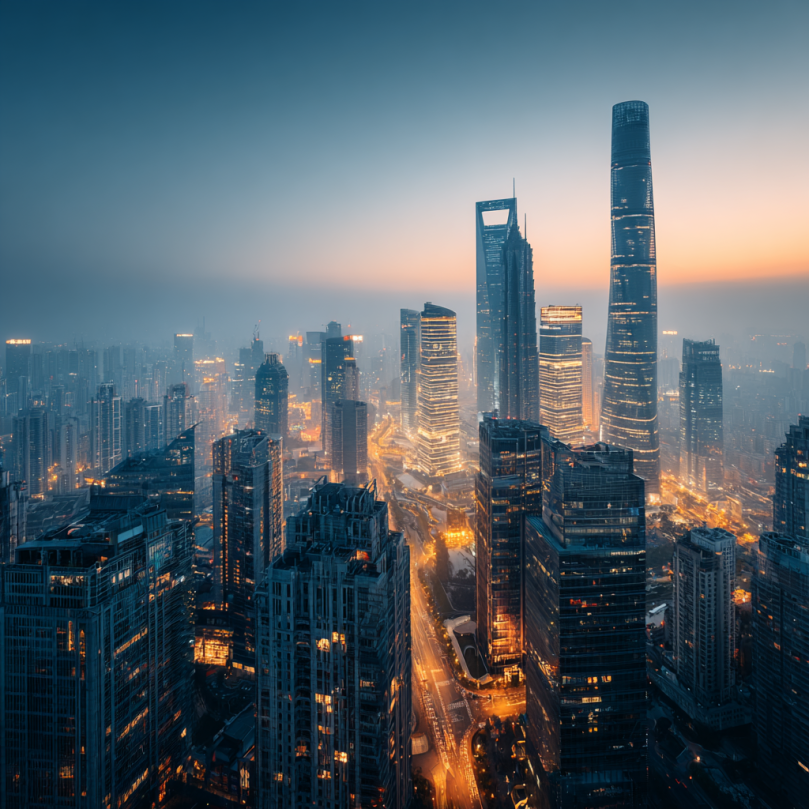
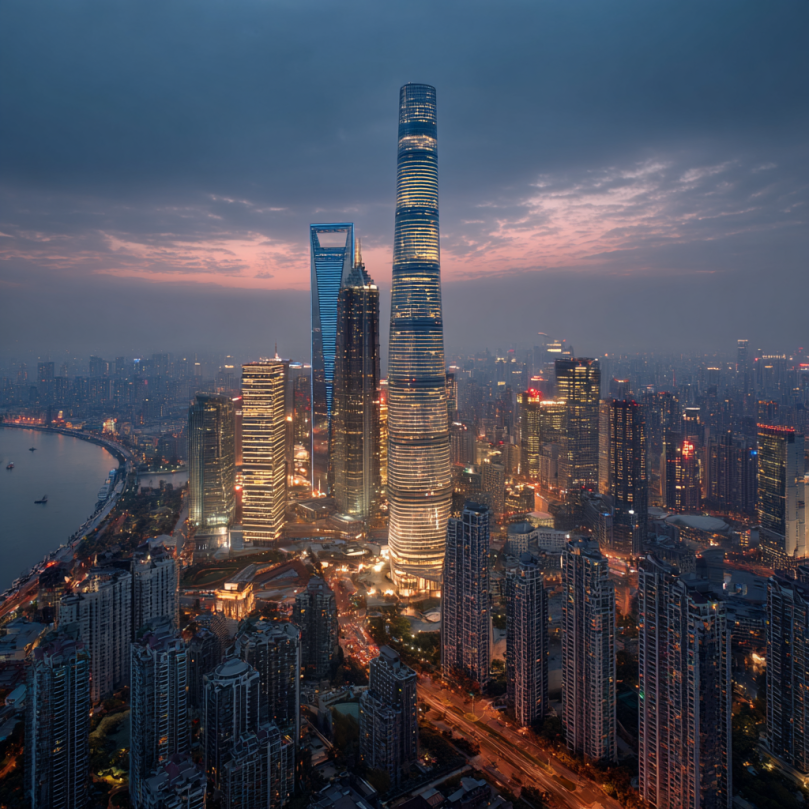
The world’s population is increasingly urbanizing, with more people moving to cities every year. As a result, cities are facing numerous challenges, including housing shortages, increased traffic, and strain on existing infrastructure. Tall buildings have become a popular solution to address these issues, but what role do they play in the development of growing cities? By examining the benefits and drawbacks of tall buildings, we can better understand their impact on urban planning and development.
What is Urban Development?
Urban development refers to the process of planning, designing, and managing the growth and expansion of cities. It involves a range of factors, including housing, transportation, infrastructure, and community development. Effective urban development requires careful consideration of the social, economic, and environmental needs of a city and its inhabitants. By understanding the principles of urban development, city planners and policymakers can create sustainable and thriving cities that meet the needs of their citizens.
What you will discover
- The benefits of tall buildings — including increased housing density, reduced urban sprawl, and improved energy efficiency
- The challenges of tall building construction — such as high construction costs, potential environmental impacts, and social concerns
- Examples of successful tall building projects — including case studies from cities around the world
- The role of technology in tall building design and construction — including advances in materials, engineering, and sustainability
- Strategies for sustainable tall building development — including green building techniques, energy-efficient systems, and community engagement
- Future trends and innovations in tall building design — including emerging technologies and architectural styles
Quick comparison
| Criterion | Low-Rise Buildings | Mid-Rise Buildings | Tall Buildings |
|---|---|---|---|
| Construction Cost | Lower | Moderate | Higher |
| Energy Efficiency | Lower | Moderate | Higher |
| Urban Density | Lower | Moderate | Higher |
| Environmental Impact | Lower | Moderate | Higher |
For more information on urban development and tall buildings, please refer to our comprehensive guide. You can also visit the United States Environmental Protection Agency website to learn more about sustainable urban development practices.
Complete guide and in-depth analysis — The Role of Tall Buildings in Urban Development
The integration of tall buildings in growing cities is a multifaceted issue that involves various aspects of urban development, from architectural design to environmental impact. As cities continue to grow and expand, the need for efficient use of space becomes increasingly important, and tall buildings offer a potential solution. However, their construction and maintenance also pose significant challenges that must be addressed through careful planning and management.
Urban Planning and Design
Space Efficiency and Land Use
Tall buildings can provide a high density of residential or commercial space while occupying a relatively small footprint, making them an attractive option for urban areas where land is scarce. This approach can help reduce urban sprawl and preserve natural habitats and green spaces. However, it also requires careful consideration of the building’s design and its impact on the surrounding environment.
Architectural and Engineering Innovations
The design and construction of tall buildings involve significant architectural and engineering challenges. Innovations in materials and technologies, such as high-strength concrete and advanced facade systems, have made it possible to build taller and more complex structures. These advancements not only enable the creation of iconic landmarks but also contribute to improving the sustainability and energy efficiency of buildings.
Sustainability and Environmental Impact
Energy Consumption and Green Technologies
Tall buildings can have a substantial environmental impact, primarily due to their high energy consumption. However, incorporating green technologies and sustainable design principles can mitigate this effect. Features such as green roofs, solar panels, and advanced HVAC systems can significantly reduce a building’s carbon footprint and contribute to a more sustainable urban environment.
Practical steps to follow
- Step 1: Conduct thorough feasibility studies to assess the suitability of a tall building project in a given urban context.
- Step 2: Engage with local communities and stakeholders to ensure that the project meets their needs and concerns.
- Step 3: Incorporate sustainable design principles and green technologies into the building’s design and operation.
- Step 4: Ensure compliance with local building codes and regulations, as well as international standards for safety and accessibility.
- Step 5: Develop a comprehensive maintenance and management plan to ensure the long-term viability of the building.
- Step 6: Continuously monitor and evaluate the building’s performance and impact on the urban environment.
Key data and statistics
| Indicator | Value / Result | Interpretation |
|---|---|---|
| Average annual increase in urban population | 2.12% | This rate underscores the need for efficient urban planning and development strategies. |
| Energy consumption per square meter in tall buildings | 150-200 kWh/m² | This range highlights the potential for energy savings through sustainable design and technologies. |
| Reduction in carbon emissions through green building practices | 30-50% | This reduction demonstrates the significant environmental benefits of incorporating sustainable practices in tall building construction and operation. |
| Percentage of urban land dedicated to green spaces | 10-20% | This percentage indicates the importance of preserving natural habitats within urban areas, which can be facilitated by the use of tall buildings. |
| Global increase in tall building constructions | 5-7% annually | This trend reflects the growing demand for efficient use of urban space and the role of tall buildings in meeting this demand. |
For more information on sustainable urban development, visit the United Nations Human Settlements Programme or the United States Environmental Protection Agency. You can also find relevant studies and data on urban planning and tall buildings by visiting our resources page or checking out the initiatives page for more details on green building practices and environmental sustainability.
Practical tips
Tip 1: Sustainable Design
How to put it into practice
When designing tall buildings, it is essential to consider the environmental impact and incorporate sustainable features. This can include using renewable energy sources, such as solar or wind power, and implementing energy-efficient systems. By doing so, you can reduce the building’s carbon footprint and create a more eco-friendly living space.
- Conduct an environmental impact assessment to identify potential risks and opportunities
- Incorporate green spaces, such as rooftop gardens or green walls, to improve air quality and mitigate the urban heat island effect
- Use energy-efficient materials and systems, such as LED lighting and insulation, to reduce energy consumption
- Implement water conservation measures, such as rainwater harvesting and greywater reuse, to reduce water waste
Tip 2: Community Engagement
Building Strong Relationships
Engaging with the local community is crucial when developing tall buildings in growing cities. This can include hosting public consultations, conducting surveys, and establishing a community advisory committee. By doing so, you can build trust and ensure that the development meets the needs and expectations of local residents.
Tip 3: Innovative Transportation Solutions
Incorporating innovative transportation solutions, such as electric vehicle charging stations or car-sharing programs, can help reduce congestion and promote sustainable transportation. Additionally, providing easy access to public transportation, such as bus or train routes, can encourage residents to use alternative modes of transportation.
Pros and cons
| ✅ Pros | ⚠️ Cons |
|---|---|
| Increased housing density and reduced urban sprawl | Higher construction costs and potential for gentrification |
| Improved access to amenities and services, such as public transportation and shopping | Potential for increased traffic congestion and noise pollution |
| Enhanced economic growth and job creation | Strain on local infrastructure and resources, such as water and energy |
| Opportunities for innovative and sustainable design | Potential for negative impacts on local character and community identity |
| Improved quality of life for residents, with access to amenities and services | Potential for unequal distribution of benefits and negative impacts on vulnerable populations |
Useful resources
Frequently Asked Questions (FAQ)
What is the role of tall buildings in growing cities?
Tall buildings play a significant role in growing cities by providing housing, office space, and other amenities to a large number of people. This helps to reduce urban sprawl and promote more efficient use of land, which is a key aspect of development. The role of tall buildings is closely tied to the concept of development, as they help to drive economic growth and urbanization.
How do tall buildings impact the environment in growing cities?
Tall buildings can have both positive and negative impacts on the environment in growing cities. On the one hand, they can help to reduce the urban footprint and promote more efficient use of resources. On the other hand, they can also contribute to increased energy consumption and greenhouse gas emissions, which can have negative impacts on the environment and hinder development.
What are the benefits of tall buildings in terms of development?
The benefits of tall buildings in terms of development include increased housing and office space, reduced urban sprawl, and more efficient use of land. Tall buildings can also help to drive economic growth and urbanization, which are key aspects of development. Additionally, they can provide a range of amenities and services to residents and businesses, which can help to improve the overall quality of life in growing cities.
How do tall buildings affect traffic and transportation in growing cities?
Tall buildings can have a significant impact on traffic and transportation in growing cities. On the one hand, they can help to reduce the need for lengthy commutes and promote more efficient use of transportation resources. On the other hand, they can also contribute to increased traffic congestion and parking demands, which can have negative impacts on the environment and hinder development.
What are the challenges of building and maintaining tall buildings in growing cities?
The challenges of building and maintaining tall buildings in growing cities include ensuring structural integrity, providing adequate amenities and services, and managing energy consumption and waste. Additionally, tall buildings can be prone to natural disasters such as earthquakes and hurricanes, which can have significant impacts on development and require careful planning and management.
How can tall buildings be designed to promote sustainable development in growing cities?
Tall buildings can be designed to promote sustainable development in growing cities by incorporating green building technologies, such as solar panels and green roofs, and energy-efficient systems. They can also be designed to promote walkability and bikeability, and to provide access to public transportation, which can help to reduce the urban footprint and promote more efficient use of resources, ultimately driving development.