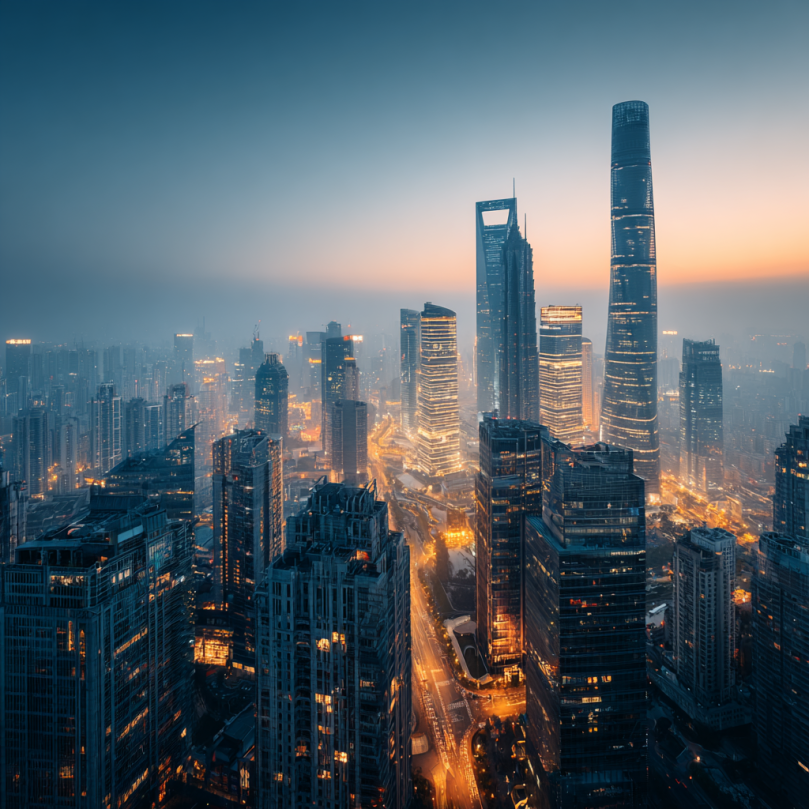
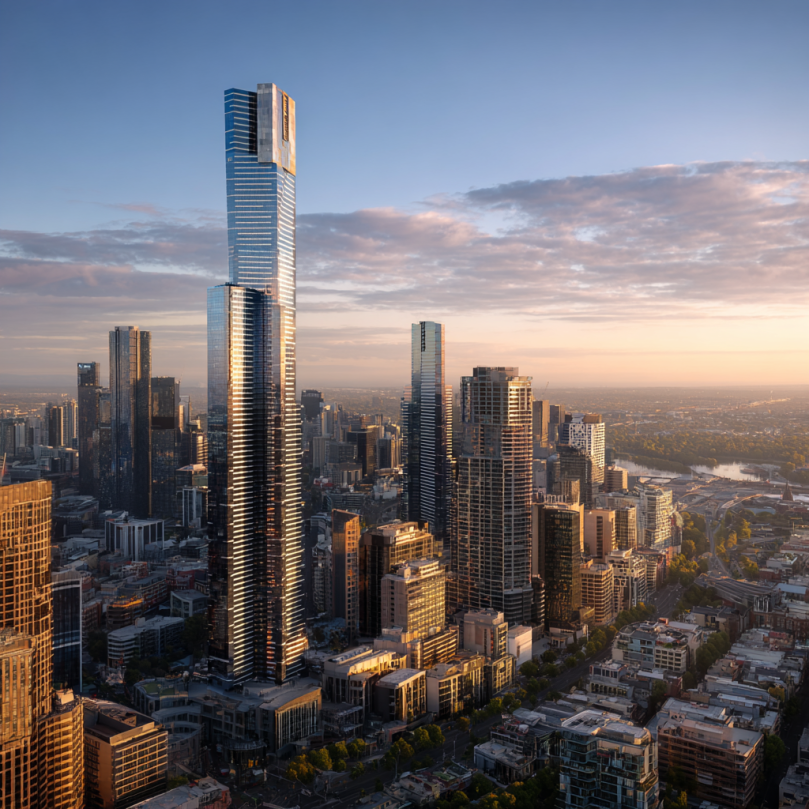
As you navigate through the bustling streets of a city, it’s hard not to be amazed by the towering skyscrapers that seem to touch the sky. These architectural marvels have become a defining feature of urban landscapes, shaping the way we live, work, and interact with one another. The impact of skyscrapers on urban development is multifaceted, influencing everything from local economies to environmental sustainability. By exploring the role of skyscrapers in urban development, you will gain a deeper understanding of the complex factors that shape our cities.
What is Urban Development?
Urban development refers to the process of creating and improving the physical and social infrastructure of cities, including the construction of buildings, transportation systems, and public services. It involves a combination of planning, design, and management to create livable and sustainable urban environments. Effective urban development requires a delicate balance between economic growth, social equity, and environmental protection. As cities continue to grow and evolve, the importance of thoughtful urban development cannot be overstated.
What you will discover
- The History of Skyscrapers — a brief overview of the evolution of skyscrapers and their impact on urban development
- Economic Benefits — an examination of the economic advantages of skyscrapers, including job creation and increased property values
- Environmental Considerations — a discussion of the environmental implications of skyscraper construction, including energy consumption and waste management
- Social Impacts — an analysis of the social effects of skyscrapers, including changes to community dynamics and urban aesthetics
- Case Studies — real-world examples of successful skyscraper developments and their contributions to urban growth
- Future Trends — a look at emerging trends and technologies in skyscraper design and construction, including sustainable materials and innovative architectural styles
Quick comparison
| Criterion | Traditional Skyscrapers | Green Skyscrapers | Smart Skyscrapers |
|---|---|---|---|
| Energy Efficiency | Low | High | Very High |
| Environmental Impact | High | Medium | Low |
| Cost | Medium | High | Very High |
| Technological Integration | Low | Medium | Very High |
For a more in-depth exploration of urban development and the role of skyscrapers, be sure to check out our comprehensive guide. Additionally, you can learn more about the history and design of skyscrapers on Wikipedia, a trusted online resource for information on a wide range of topics.
Complete guide and in-depth analysis of Skyscrapers in Urban Development
Skyscrapers play a significant role in shaping urban development, as they can greatly influence the aesthetic and functional aspects of a city. When considering the impact of skyscrapers on urban development, it is essential to examine the various factors that contribute to their construction and the effects they have on the surrounding environment. By understanding these factors, you can better appreciate the complexities involved in urban planning and development.
Urban Planning and Design
Integration with Public Spaces
One crucial aspect of skyscraper development is the integration with public spaces, such as parks, sidewalks, and other community areas. This integration can enhance the overall livability of a city by providing residents with accessible and enjoyable public spaces. Furthermore, the design of skyscrapers can also impact the local microclimate, with features such as green roofs and solar panels contributing to a more sustainable urban environment.
Transportation and Infrastructure
The development of skyscrapers is often accompanied by the need for improved transportation and infrastructure. This can include the construction of new roads, public transportation systems, and pedestrian walkways, all of which can significantly impact the flow of traffic and the overall accessibility of a city. By carefully planning and designing these systems, urban developers can create more efficient and sustainable cities.
Economic and Social Impacts
Job Creation and Local Economy
The construction of skyscrapers can have a significant impact on the local economy, as it creates jobs and stimulates economic growth. Additionally, the presence of skyscrapers can attract businesses and investments, further contributing to the economic development of a city. However, it is also important to consider the potential social impacts, such as gentrification and increased housing costs, which can affect the affordability and livability of a city.
Practical steps to follow
- Step 1: Conduct thorough market research and analysis to determine the feasibility of a skyscraper project
- Step 2: Develop a comprehensive urban planning strategy that incorporates the skyscraper development with existing infrastructure and public spaces
- Step 3: Engage with local stakeholders and community members to ensure that the development meets their needs and concerns
- Step 4: Implement sustainable design and construction practices to minimize the environmental impact of the skyscraper
- Step 5: Monitor and evaluate the economic and social impacts of the skyscraper development to ensure that it aligns with the city’s overall development goals
- Step 6: Continuously review and update the urban planning strategy to adapt to changing city needs and priorities
Key data and statistics
| Indicator | Value / Result | Interpretation |
|---|---|---|
| Global skyscraper construction | Over 600 skyscrapers completed in 2020 | Indicates a significant increase in urban development and construction activity |
| Skyscraper-related job creation | Estimated 10,000 jobs created per skyscraper project | Highlights the potential economic benefits of skyscraper development |
| Carbon footprint of skyscrapers | Average skyscraper emits 10,000 tons of CO2 per year | Emphasizes the need for sustainable design and construction practices |
| Urban population growth | Projected 68% of global population to live in cities by 2050 | Underlines the importance of efficient and sustainable urban planning |
| Skyscraper investment returns | Average return on investment of 10% per annum | Suggests that skyscraper development can be a lucrative investment opportunity |
For more information on urban development and skyscraper construction, you can visit the urban planning page or the sustainable construction page. Additionally, you can refer to external sources such as the United Nations or the United States Environmental Protection Agency for more detailed information on the topic.
Practical tips
Tip 1: Incorporating Green Spaces
How to put it into practice
When developing skyscrapers, it is essential to incorporate green spaces to promote a healthy and sustainable environment. This can be achieved by including parks, gardens, or green roofs in the design. By doing so, you can help reduce the urban heat island effect, improve air quality, and provide a peaceful oasis for residents and visitors.
- Conduct a thorough site analysis to determine the best location for green spaces
- Collaborate with landscape architects to design functional and aesthetically pleasing green areas
- Implement sustainable practices, such as rainwater harvesting and greywater reuse, to minimize water consumption
- Incorporate native plant species to promote biodiversity and reduce maintenance requirements
Tip 2: Encouraging Mixed-Use Development
Creating Vibrant Communities
Mixed-use development is a key aspect of creating vibrant and dynamic urban communities. By incorporating a mix of residential, commercial, and recreational spaces, you can promote walkability, reduce traffic congestion, and foster a sense of community.
Tip 3: Prioritizing Public Transportation
When developing skyscrapers, it is crucial to prioritize public transportation options to reduce reliance on personal vehicles and promote a more sustainable transportation network. This can be achieved by incorporating public transportation hubs, such as bus or train stations, into the design.
Pros and cons
| ✅ Pros | ⚠️ Cons |
|---|---|
| Increased housing density and reduced urban sprawl | Higher construction costs and potential for gentrification |
| Improved public transportation options and reduced traffic congestion | Potential for over-development and loss of community character |
| Enhanced economic growth and job creation | Increased strain on local infrastructure and services |
| Opportunities for innovative and sustainable design | Potential for environmental impacts, such as increased energy consumption |
| Improved quality of life and increased amenities for residents | Higher costs of living and potential for displacement of low-income residents |
Useful resources
Frequently Asked Questions (FAQ)
How do skyscrapers impact urban development in cities?
Skyscrapers play a significant role in shaping urban development by providing housing, office spaces, and amenities, which can lead to increased economic growth and urbanization. The construction of skyscrapers can also lead to the creation of new public spaces, parks, and transportation systems. As a result, skyscrapers can have a profound impact on the urban landscape and the quality of life for city residents, especially in terms of development.
What are the benefits of building skyscrapers in urban areas?
The benefits of building skyscrapers in urban areas include increased density, reduced urban sprawl, and improved transportation systems. Skyscrapers can also provide stunning views, luxurious amenities, and a unique sense of community for residents. Furthermore, skyscrapers can serve as iconic landmarks, boosting the city’s reputation and attracting businesses, tourists, and investments, which can drive development.
How do skyscrapers affect the environment and sustainability in urban development?
Skyscrapers can have both positive and negative effects on the environment and sustainability. On the one hand, they can reduce the need for sprawl and promote more efficient use of resources. On the other hand, they can consume large amounts of energy and materials, generating significant greenhouse gas emissions. However, with the use of green technologies and sustainable design principles, skyscrapers can be built to minimize their environmental impact and support development that is more environmentally friendly.
What are the social implications of skyscraper construction on urban communities and development?
The social implications of skyscraper construction can be significant, as they can lead to gentrification, displacement of low-income residents, and increased social inequality. However, when planned and designed with community needs in mind, skyscrapers can also provide affordable housing, community facilities, and public spaces that promote social cohesion and support urban development.
How do skyscrapers influence the economy and urban development in cities?
Skyscrapers can have a profound impact on the economy of a city, as they can attract businesses, create jobs, and stimulate economic growth. They can also increase property values, generate tax revenue, and support local businesses, which can drive urban development. Furthermore, skyscrapers can serve as a symbol of a city’s prosperity and attractiveness, making it more competitive in the global market and supporting development.
What are the challenges and limitations of building skyscrapers in urban areas and their impact on development?
The challenges and limitations of building skyscrapers in urban areas include high construction costs, zoning regulations, and environmental concerns. Additionally, skyscrapers can be vulnerable to natural disasters, require significant maintenance, and pose safety risks. However, with careful planning, innovative design, and collaborative efforts between stakeholders, these challenges can be overcome, and skyscrapers can be built to support sustainable urban development.