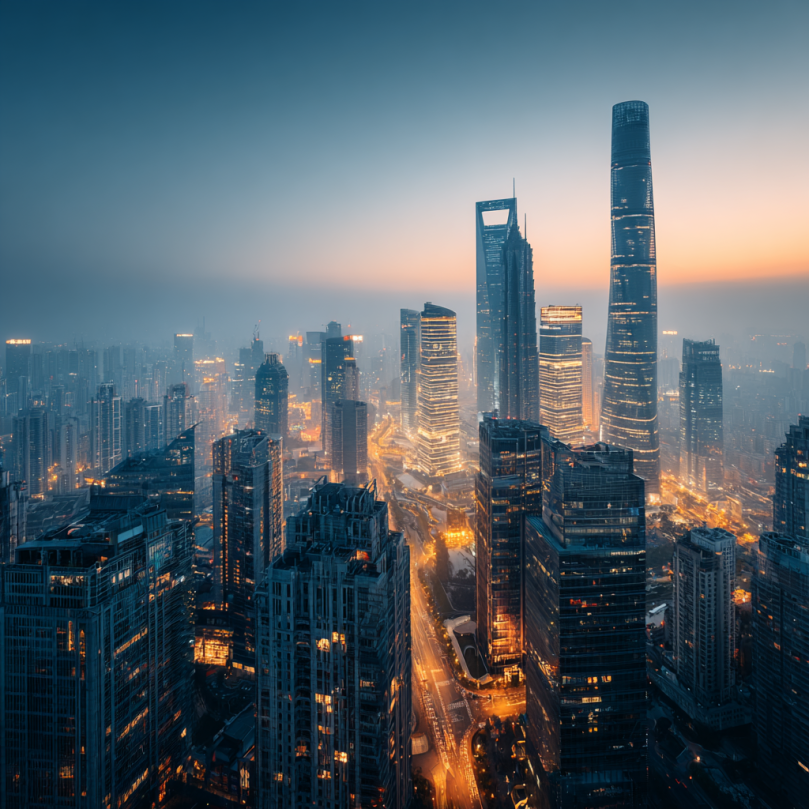

As you gaze upon the breathtaking skylines of cities like New York, Dubai, or Shanghai, you can’t help but wonder about the masterminds behind these towering structures. The design of iconic tall buildings is a testament to human ingenuity, pushing the boundaries of engineering, architecture, and innovation. With the increasing demand for sustainable and efficient urban planning, architects are now more than ever driven to create buildings that not only defy gravity but also redefine the urban landscape. The art of designing tall buildings is a complex interplay of aesthetics, functionality, and technical expertise, making it a fascinating topic to explore.
What is Tall Building Design?
Tall building design refers to the process of creating structures that exceed the average height of their surroundings, often requiring specialized engineering and architectural techniques. This field combines elements of urban planning, materials science, and environmental sustainability to produce buildings that are not only visually stunning but also safe, efficient, and environmentally friendly. The design of tall buildings involves careful consideration of factors such as wind resistance, seismic activity, and energy consumption, making it a highly specialized and interdisciplinary field. By understanding the principles of tall building design, architects can create iconic structures that serve as beacons of innovation and progress.
What you will discover
- The role of computational design — how architects use algorithms and simulations to optimize building performance and aesthetics
- Sustainable materials and systems — the latest advancements in green technology and energy-efficient design
- Wind and seismic engineering — the science behind designing buildings that can withstand extreme weather conditions and earthquakes
- Urban planning and context — how tall buildings interact with their surroundings and contribute to the urban fabric
- Cultural and symbolic significance — the impact of iconic tall buildings on local identity and global recognition
- Case studies and best practices — real-world examples of successful tall building design and implementation
Quick comparison
| Criterion | High-Rise | Supertall | Megatall |
|---|---|---|---|
| Height | 100-200 meters | 300-600 meters | 600 meters or more |
| Materials | Steel, concrete, glass | High-strength concrete, advanced steel alloys | Experimental materials, such as carbon fiber and nanomaterials |
| Design complexity | Standardized floor plans | Customized floor plans, complex structural systems | Highly customized, innovative structural systems and façades |
| Environmental impact | Moderate energy consumption | High energy consumption, potential for green technology integration | High energy consumption, advanced green technology and sustainable systems |
For a more in-depth look at the design process, please refer to our comprehensive guide on tall building design. Additionally, you can visit the Council on Tall Buildings and Urban Habitat website for more information on the latest developments and research in the field of tall building design.
Complete guide and in-depth analysis of Iconic Tall Building Design
When it comes to designing iconic tall buildings, architects must consider a multitude of factors, from aesthetics and functionality to safety and sustainability. As you delve into the world of tall building design, understanding the intricacies of this complex process is crucial. In this section, we will explore the key aspects of designing iconic tall buildings, providing you with a comprehensive guide to the principles and practices that shape these architectural marvels.
Initial Design Considerations
Site Selection and Analysis
Detailed and actionable explanation of the importance of site selection and analysis in the initial stages of designing iconic tall buildings is essential. This includes assessing the site’s topography, climate, and environmental conditions to ensure that the building is tailored to its surroundings. By doing so, architects can create structures that not only stand out but also complement their environment.
Building Orientation and Layout
Explanation of how building orientation and layout play a critical role in the design process. The strategic placement of the building on the site, along with the internal layout, can significantly impact the building’s energy efficiency, natural lighting, and overall occupant experience.
Structural and Engineering Aspects
Materials and Construction Techniques
Explanation of the various materials and construction techniques used in tall building design. From high-strength concrete and steel to advanced glass and facade systems, the choice of materials and construction methods can greatly affect the building’s structural integrity, durability, and aesthetic appeal.
Practical steps to follow
- Step 1: Conduct thorough site analysis and assessment to determine the feasibility of the project.
- Step 2: Develop a comprehensive design brief that outlines the project’s objectives, requirements, and constraints.
- Step 3: Create a preliminary design concept that incorporates the client’s vision and the site’s unique characteristics.
- Step 4: Refine the design through iterative modeling and simulation to optimize performance and efficiency.
- Step 5: Collaborate with multidisciplinary teams of engineers, contractors, and stakeholders to ensure a smooth execution of the project.
- Step 6: Implement sustainable design principles and practices to minimize the building’s environmental footprint.
Key data and statistics
| Indicator | Value / Result | Interpretation |
|---|---|---|
| Tallest building in the world | 828 meters | The Burj Khalifa, located in Dubai, sets a record for the tallest building globally. |
| Average height of skyscrapers | 150-200 meters | Most skyscrapers fall within this height range, balancing aesthetics with structural feasibility. |
| Energy consumption reduction | Up to 30% | Implementing sustainable design strategies can significantly reduce a building’s energy consumption. |
| Carbon footprint reduction | Up to 50% | Green buildings can reduce their carbon footprint substantially through the use of renewable energy sources and efficient systems. |
| Global skyscraper growth rate | 10-15% annually | The demand for high-rise buildings continues to grow, driven by urbanization and economic development. |
To learn more about the design and construction of iconic tall buildings, you can visit the tall buildings design guide or the sustainable architecture page. For external resources, please refer to the Council on Tall Buildings and Urban Habitat or the U.S. Green Building Council for in-depth information on tall building design and sustainable practices.
Practical tips
Tip 1: Collaborative Design Process
How to put it into practice
When designing iconic tall buildings, it is essential to involve all stakeholders in the design process. This includes architects, engineers, contractors, and clients. By doing so, you can ensure that everyone is on the same page and that the final product meets all the necessary requirements. As you work on your project, you will find that collaboration is key to success.
- Define clear goals and objectives from the outset
- Establish open communication channels among team members
- Use project management tools to track progress and deadlines
- Encourage feedback and constructive criticism throughout the process
Tip 2: Sustainable Design
Energy Efficiency and Environmental Impact
As architects, you have a responsibility to create buildings that are not only aesthetically pleasing but also environmentally friendly. This can be achieved by incorporating sustainable design elements, such as green roofs, solar panels, and energy-efficient systems. By doing so, you can reduce the building’s carbon footprint and create a healthier environment for occupants.
Tip 3: Innovative Materials and Technologies
In order to create truly iconic tall buildings, you need to stay ahead of the curve when it comes to materials and technologies. This can include using advanced materials, such as high-strength concrete or cutting-edge glass systems, or incorporating innovative technologies, such as wind turbines or advanced facade systems. By embracing innovation, you can create buildings that are not only visually stunning but also highly functional and efficient.
Pros and cons
| ✅ Pros | ⚠️ Cons |
|---|---|
| Increased property values and rental income | High construction and maintenance costs |
| Improved energy efficiency and reduced carbon footprint | Potential negative impact on local environment and ecosystem |
| Enhanced urban skyline and aesthetic appeal | Complexity and challenges of high-rise construction |
| Creation of unique and iconic landmarks | Risk of structural or engineering failures |
| Opportunities for innovative design and architectural expression | Potential for over-development and strain on local infrastructure |