The world of architecture has witnessed a significant shift in recent years, with modern skyscrapers becoming an integral part of urban landscapes. As you gaze upon the towering structures that dominate city skylines, you may wonder what drives the design trends behind these marvels of engineering. From sustainable materials to innovative designs, the evolution of skyscraper architecture is a fascinating topic that continues to capture the imagination of architects, engineers, and the general public alike. With the increasing demand for eco-friendly and technologically advanced buildings, it is essential to explore the latest developments in this field.
What is Modern Skyscraper Architecture?
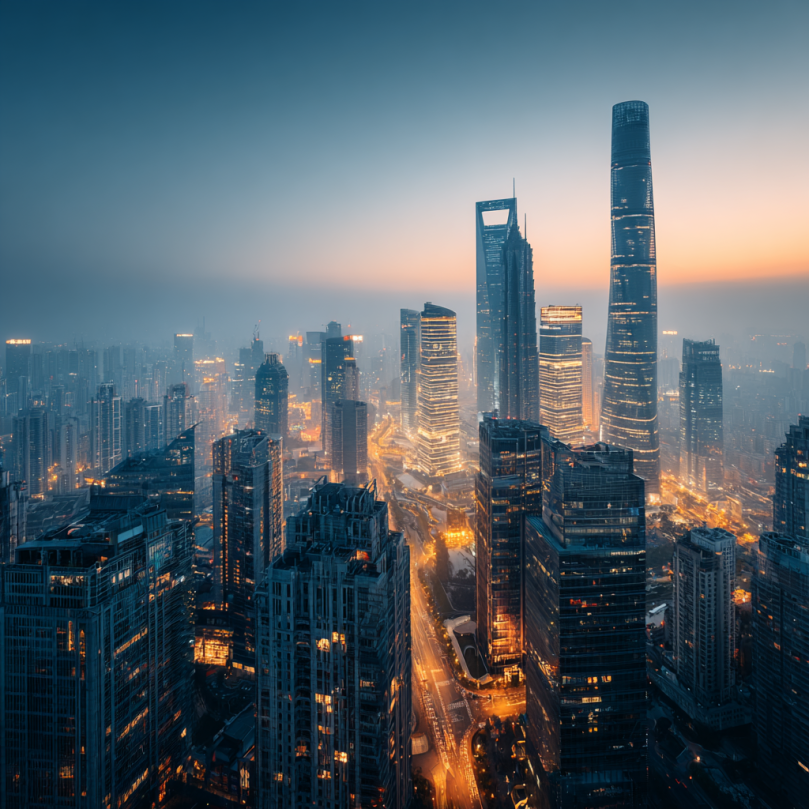
Modern skyscraper architecture refers to the design and construction of high-rise buildings that incorporate cutting-edge technology, sustainable materials, and innovative design principles. This style of architecture emphasizes the importance of environmental sustainability, energy efficiency, and occupant comfort. Modern skyscrapers often feature unique designs, such as curved lines, irregular shapes, and green roofs, which not only enhance their aesthetic appeal but also contribute to their ecological footprint. By pushing the boundaries of traditional architecture, modern skyscrapers have become iconic landmarks that reflect the ingenuity and creativity of their designers.
What you will discover
- Innovative Materials — the use of advanced materials, such as glass, steel, and concrete, in modern skyscraper design
- Sustainable Design — the integration of green technologies, such as solar panels and wind turbines, into skyscraper architecture
- Energy Efficiency — the implementation of energy-saving systems, such as LED lighting and smart building management
- Architectural Styles — the various design styles, including postmodern, deconstructivist, and futuristic, that influence modern skyscraper architecture
- Urban Planning — the role of skyscrapers in shaping urban landscapes and promoting sustainable development
- Technological Advancements — the impact of technological innovations, such as Building Information Modeling (BIM) and 3D printing, on skyscraper design and construction
Quick comparison
| Criterion | Option A: Traditional Skyscrapers | Option B: Modern Skyscrapers | Option C: Sustainable Skyscrapers |
|---|---|---|---|
| Materials | Steel, concrete, and glass | Advanced materials, such as fiber-reinforced polymers and recycled materials | Sustainable materials, such as cross-laminated timber and low-carbon concrete |
| Energy Efficiency | Traditional HVAC systems | Energy-efficient systems, such as LED lighting and smart building management | Renewable energy systems, such as solar panels and wind turbines |
| Design Style | Box-like structures | Curved lines, irregular shapes, and unique designs | Green roofs, green walls, and integrated landscaping |
| Cost | High construction costs | Higher construction costs due to advanced materials and technologies | Higher upfront costs, but long-term savings through energy efficiency and reduced maintenance |
For a more in-depth look at the design principles and technologies behind modern skyscrapers, visit our comprehensive guide. Additionally, you can learn more about the history and development of skyscrapers on Wikipedia, a reliable online resource that provides a wealth of information on this topic.
Complete guide
Content unavailable.
Practical tips
Tip 1: Incorporating Sustainable Design Elements
How to put it into practice
Incorporating sustainable design elements into modern skyscraper architecture is crucial for reducing the building’s carbon footprint. This can be achieved by using materials that are locally sourced, recycled, or have a low environmental impact. Additionally, architects can incorporate green spaces, such as rooftop gardens or living walls, to improve air quality and reduce the urban heat island effect.
- Using solar panels or wind turbines to generate electricity
- Incorporating rainwater harvesting systems to reduce water consumption
- Implementing energy-efficient lighting and HVAC systems
- Specifying materials with high recycled content or low VOC emissions
Tip 2: Prioritizing Occupant Wellness
Designing for Human Experience
Modern skyscrapers should prioritize occupant wellness by incorporating design elements that promote physical and mental health. This can include features such as natural light, fresh air, and access to outdoor spaces. Architects can also design spaces that encourage movement and activity, such as staircases or fitness centers.
Tip 3: Embracing Technological Innovation
Embracing technological innovation is essential for creating modern skyscrapers that are efficient, sustainable, and responsive to occupant needs. This can include the use of building information modeling (BIM) software, smart building systems, and data analytics to optimize building performance.
Pros and cons
| ✅ Pros | ⚠️ Cons |
|---|---|
| Improved energy efficiency and reduced carbon footprint | Higher upfront costs for sustainable design elements and technologies |
| Enhanced occupant wellness and productivity | Potential for increased maintenance and operational costs |
| Increased property value and marketability | Complexity of integrating multiple systems and technologies |
| Opportunities for innovative and iconic design | Potential for over-reliance on technology and decreased resilience |
| Improved adaptability and flexibility in response to changing occupant needs | Potential for increased vulnerability to cyber threats and data breaches |
Useful resources
Frequently Asked Questions (FAQ)
What are the current trends in modern skyscraper architecture?
The current trends in modern skyscraper architecture include the use of sustainable materials, energy-efficient designs, and innovative building techniques. These trends are aimed at reducing the environmental impact of skyscrapers while also improving their aesthetic appeal and functionality. Modern skyscraper architecture is a rapidly evolving field, with architects and designers continually pushing the boundaries of what is possible.
How do skyscrapers contribute to urban development?
Skyscrapers play a significant role in urban development, as they can help to revitalize city centers, provide housing and office space, and create vibrant public spaces. They can also serve as iconic landmarks, helping to establish a city’s identity and attract visitors and businesses. By incorporating green spaces, public art, and community facilities, skyscrapers can become integral components of a city’s urban fabric.
What are the benefits of green architecture in skyscrapers?
The benefits of green architecture in skyscrapers include reduced energy consumption, improved air quality, and enhanced occupant health and well-being. Green roofs, solar panels, and energy-efficient systems can all contribute to a building’s sustainability, while also providing a unique aesthetic appeal. By incorporating green architecture, skyscrapers can minimize their environmental footprint while also creating a healthier and more productive indoor environment.
How do skyscrapers impact the environment?
Skyscrapers can have both positive and negative impacts on the environment, depending on their design and operation. On the one hand, they can contribute to urban heat islands, energy consumption, and waste generation. On the other hand, they can also incorporate green roofs, solar panels, and energy-efficient systems, reducing their environmental footprint. By adopting sustainable design and operational practices, skyscrapers can minimize their negative impacts and become more environmentally friendly.
What are the key considerations for designing a sustainable skyscraper?
When designing a sustainable skyscraper, key considerations include energy efficiency, water conservation, and waste reduction. Architects and designers should also prioritize the use of sustainable materials, optimize natural light and ventilation, and incorporate green spaces and public areas. Additionally, they should consider the building’s lifecycle, from construction to demolition, and strive to minimize its environmental impact throughout.
How can skyscrapers be designed to withstand natural disasters?
Skyscrapers can be designed to withstand natural disasters such as earthquakes, hurricanes, and floods by incorporating robust structural systems, advanced materials, and resilient design strategies. Architects and engineers should conduct thorough risk assessments and use advanced modeling and simulation techniques to anticipate and mitigate potential hazards. By prioritizing safety and resilience, skyscrapers can be designed to protect occupants and minimize damage in the event of a natural disaster.