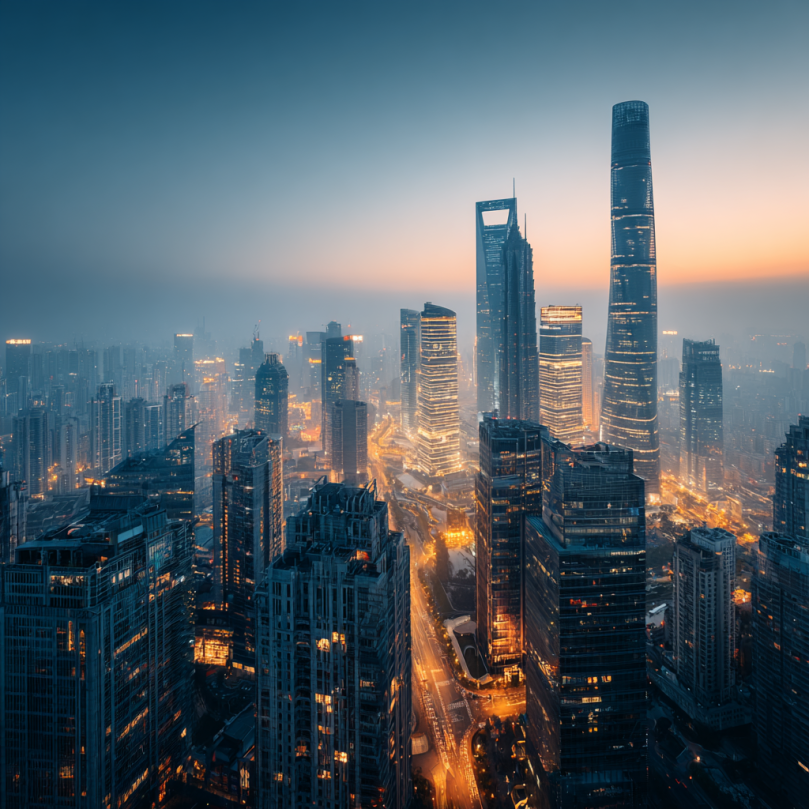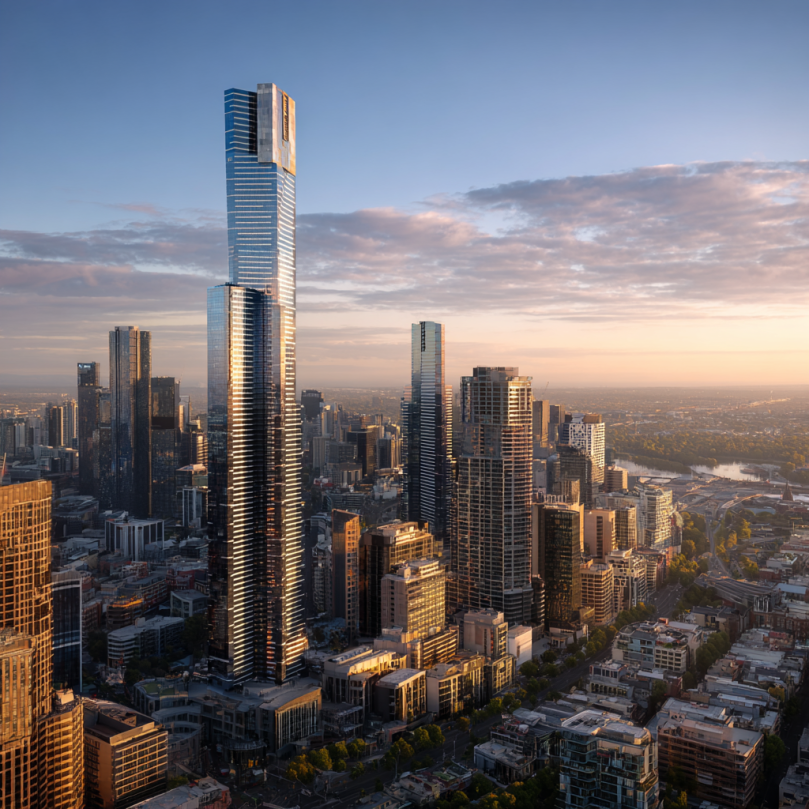

As the world’s population continues to urbanize, the demand for skyscrapers has never been higher, with these towering structures becoming an integral part of city skylines. However, with great height comes great responsibility, and ensuring the safety of occupants is of paramount importance. You may be surprised to learn that skyscrapers are equipped with a multitude of complex systems designed to prevent and mitigate potential hazards. In this article, we will delve into the essential safety systems that make skyscrapers a safe and secure environment for you.
What is a Skyscraper Safety System?
A skyscraper safety system refers to the combination of design elements, technologies, and protocols implemented to protect occupants from various risks, including fires, earthquakes, and other emergencies. These systems are designed to work together to prevent accidents, minimize damage, and facilitate evacuation procedures. Skyscraper safety systems are typically designed and implemented by a team of experts, including architects, engineers, and safety specialists. The goal of these systems is to provide a safe and secure environment for you, while also meeting regulatory requirements and industry standards.
What you will discover
- Fire Suppression Systems — network of sprinklers, alarms, and smoke detectors designed to detect and respond to fires
- Earthquake Resistant Design — structural elements and materials designed to withstand seismic activity
- Emergency Evacuation Procedures — protocols and infrastructure in place to facilitate safe and efficient evacuation
- Access Control and Security Systems — measures designed to control access and prevent unauthorized entry
- Communication Systems — networks and protocols for emergency communication and coordination
- Regular Maintenance and Inspection — schedules and procedures for ensuring the continued effectiveness of safety systems
Quick comparison
| Criterion | Traditional Building | Modern Skyscraper | High-Rise Residential |
|---|---|---|---|
| Fire Suppression Systems | Basic sprinkler system | Advanced network of sprinklers and smoke detectors | Multi-zone fire alarm system |
| Earthquake Resistant Design | Basic seismic design | Advanced seismic design with damping systems | Seismic retrofitting |
| Emergency Evacuation Procedures | Basic evacuation plan | Advanced evacuation procedures with multiple exit routes | Regular evacuation drills |
| Access Control and Security Systems | Basic access control | Advanced biometric access control | Secure entry systems with surveillance cameras |
For a more in-depth look at skyscraper safety systems, you can refer to our comprehensive guide on the subject. Additionally, you can visit the National Institute of Standards and Technology website for more information on building safety and security. By understanding the essential safety systems in skyscrapers, you can appreciate the complexity and importance of these systems in ensuring your safety and security in these towering structures.
Complete guide and in-depth analysis — Essential Safety Systems in Skyscrapers
When it comes to skyscrapers, safety is of paramount importance. These towering structures pose unique challenges in terms of evacuation, fire prevention, and structural integrity. In this section, we will delve into the essential safety systems that are crucial for the well-being of occupants and the prevention of disasters. As you consider the safety aspects of skyscrapers, it is essential to understand the various measures that can be taken to mitigate risks.
Design and Planning
Structural Reinforcement
Detailed and actionable explanation of structural reinforcement is crucial. This includes the use of high-strength materials, robust framing systems, and regular inspections to ensure that the building can withstand extreme weather conditions and other external factors. By incorporating these measures, you can significantly reduce the risk of collapse and ensure the stability of the structure.
Fire-Resistant Materials
Explanation of fire-resistant materials is also vital. The use of fire-resistant materials in skyscrapers can greatly reduce the risk of fire spreading and minimize damage to the building. This includes the use of fire-resistant insulation, drywall, and other materials that can help contain fires and prevent them from spreading.
Emergency Response Systems
Fire Suppression Systems
Explanation of fire suppression systems is essential. These systems are designed to detect and extinguish fires quickly, reducing the risk of damage and injury. By installing fire suppression systems, you can ensure a rapid response to fires and minimize the risk of disaster.
Practical Steps to Follow
- Step 1: Conduct regular safety audits to identify potential risks and hazards in the building.
- Step 2: Develop a comprehensive emergency response plan that includes evacuation procedures, fire suppression systems, and first aid kits.
- Step 3: Install fire-resistant materials and structural reinforcement to minimize the risk of damage and injury.
- Step 4: Provide regular training to occupants on emergency procedures and safety protocols.
- Step 5: Establish a maintenance schedule to ensure that all safety systems are functioning properly.
- Step 6: Review and update safety protocols regularly to ensure that they are effective and compliant with regulations.
Key Data and Statistics
| Indicator | Value / Result | Interpretation |
|---|---|---|
| Number of skyscrapers over 200 meters tall | 1,500 | This indicates a significant increase in the number of high-rise buildings globally. |
| Average annual rate of fires in skyscrapers | 10% | This highlights the need for effective fire suppression systems and emergency response plans. |
| Percentage of skyscrapers with fire-resistant materials | 80% | This suggests that a significant number of skyscrapers are taking measures to reduce the risk of fire damage. |
| Number of fatalities in skyscraper fires (2010-2020) | 500 | This underscores the importance of effective safety protocols and emergency response systems. |
For more information on skyscraper safety, you can visit Skyscraper Safety Guidelines or Emergency Response Plans. Additionally, you can refer to external sources such as National Fire Protection Association (NFPA) or Wikipedia for more information on fire safety and skyscraper construction.
Practical tips
Tip 1: Implementing Fire Safety Systems
How to put it into practice
When it comes to fire safety in skyscrapers, vous should prioritize the installation of advanced fire suppression systems, including sprinklers and smoke detectors. These systems can significantly reduce the risk of fire spreading and minimize damage to the building and its occupants.
- Conduct regular fire drills to ensure that all occupants are familiar with evacuation procedures
- Install fire alarms and smoke detectors on every floor and in each unit
- Ensure that all fire suppression systems are regularly inspected and maintained
- Provide fire extinguishers on each floor and in easily accessible locations
Tip 2: Ensuring Elevator Safety
Regular Maintenance
Vous should also prioritize elevator safety by ensuring that all elevators are regularly inspected and maintained. This includes checking for worn or damaged components, lubricating moving parts, and testing elevator safety systems.
Tip 3: Securing Access Control
Access control is another critical aspect of skyscraper safety. Vous should implement secure access control systems, including keycard entry, biometric scanners, and security cameras to monitor and control access to the building.
Pros and cons
| ✅ Pros | ⚠️ Cons |
|---|---|
| Enhanced safety features can reduce the risk of accidents and injuries | Implementing advanced safety systems can be costly |
| Regular maintenance can extend the lifespan of building systems | Regular inspections and maintenance can be time-consuming |
| Secure access control can prevent unauthorized access | Access control systems can be vulnerable to hacking or technical issues |
| Safety systems can increase property value and attractiveness to occupants | Excessive safety measures can be intrusive or restrictive |
| Compliance with safety regulations can reduce liability | Non-compliance can result in fines or penalties |
Useful resources
Frequently Asked Questions (FAQ)
What are the essential safety systems in skyscrapers?
The essential safety systems in skyscrapers include fire suppression systems, emergency evacuation systems, and structural reinforcement systems, all of which are crucial for ensuring the safety of occupants in the event of an emergency, and are a key aspect of engineering in skyscraper design.
How do skyscrapers prevent fires from spreading?
Skyscrapers prevent fires from spreading through the use of fire-resistant materials, compartmentalization, and advanced fire suppression systems, such as sprinkler systems and smoke exhaust systems, which are designed to quickly respond to and contain fires, and are an important part of engineering safety systems.
What is the purpose of emergency evacuation systems in skyscrapers?
The purpose of emergency evacuation systems in skyscrapers is to provide a safe and efficient means of evacuating occupants in the event of an emergency, such as a fire or earthquake, and these systems typically include features such as emergency stairwells, evacuation elevators, and clear exit routes, all of which are critical components of engineering safety systems.
How are skyscrapers designed to withstand natural disasters?
Skyscrapers are designed to withstand natural disasters such as earthquakes and hurricanes through the use of advanced engineering techniques, including seismic design and wind tunnel testing, which help to ensure that the building can resist external forces and maintain its structural integrity, and are an essential aspect of engineering in skyscraper design.
What role do elevators play in skyscraper safety systems?
Elevators play a critical role in skyscraper safety systems, as they provide a means of quickly and safely transporting occupants to and from the building, and are often equipped with advanced safety features such as emergency brakes and backup power systems, which help to ensure that occupants can safely exit the building in the event of an emergency, and are an important part of engineering safety systems.
How often are safety systems in skyscrapers inspected and maintained?
Safety systems in skyscrapers are typically inspected and maintained on a regular basis, with the frequency of inspections and maintenance varying depending on the specific system and local regulations, but generally including regular checks of fire suppression systems, emergency evacuation systems, and other critical safety components, all of which are essential for ensuring the ongoing safety of occupants, and are a key aspect of engineering in skyscraper maintenance.