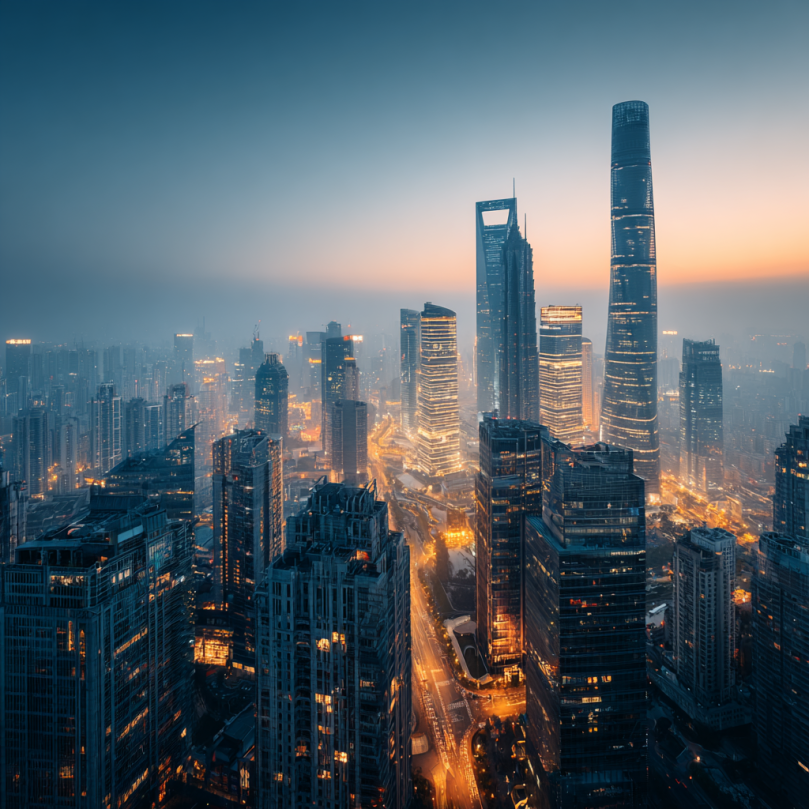
The concept of residential skyscrapers has revolutionized the way we live in cities, offering luxurious amenities, breathtaking views, and a unique urban lifestyle. As the world’s population continues to urbanize, the demand for high-rise living is on the rise, and architects are pushing the boundaries of innovation and design. With the increasing focus on sustainability and community building, residential skyscrapers are no longer just a symbol of luxury but also a hub for modern city living. Whether you’re a seasoned city dweller or just considering a move to the urban jungle, the world of residential skyscrapers has something to offer.
What is a Residential Skyscraper?
A residential skyscraper is a high-rise building that is designed primarily for residential use, offering a range of amenities and services to its inhabitants. These buildings are typically characterized by their height, with some stretching over 100 stories into the sky. Residential skyscrapers can be found in major cities around the world and are often designed to provide a luxurious and convenient lifestyle for their residents. From rooftop pools to state-of-the-art fitness centers, these buildings offer a unique living experience that is hard to find elsewhere. With the advancement in technology and engineering, residential skyscrapers are becoming more efficient, sustainable, and livable.
What you will discover
- The benefits of high-rise living — including reduced commute times, increased safety, and a sense of community
- The latest design trends — from green roofs to smart home technology
- The most iconic residential skyscrapers — around the world, including the Burj Khalifa and the Shard
- The impact of skyscrapers on urban planning — and the role they play in shaping the modern cityscape
- The future of residential skyscrapers — including the incorporation of sustainable materials and innovative engineering techniques
- The importance of community building — in residential skyscrapers, including shared amenities and public spaces
Quick comparison
| Criterion | New York City | London | Singapore |
|---|---|---|---|
| Average price per square foot | $1,300 | $1,500 | $1,000 |
| Number of residential skyscrapers | 500+ | 300+ | 200+ |
| Height of the tallest building | 1,776 ft | 1,017 ft | 919 ft |
| Population density | 27,000 per sq mi | 14,000 per sq mi | 21,000 per sq mi |
For more information on residential skyscrapers and their impact on urban living, please refer to our comprehensive guide. You can also visit the Wikipedia page on skyscrapers for a detailed overview of the history and design of these structures.
Complete guide — Top Residential Skyscrapers Redefining City Living
The rise of residential skyscrapers is transforming the urban landscape, offering residents unparalleled luxury, convenience, and breathtaking views. As you consider making the move to one of these towering structures, it’s essential to understand the key aspects that set them apart. In this guide, we’ll delve into the world of residential skyscrapers, exploring their benefits, features, and what you can expect from life in the high-rise.
Understanding Residential Skyscrapers
Design and Architecture
Detailed and actionable explanation of the innovative designs and architectural features that characterize modern residential skyscrapers, including green spaces, sleek facades, and cutting-edge engineering. These structures often incorporate sustainable materials and energy-efficient systems, minimizing their environmental footprint while maximizing comfort and luxury.
Smart Home Technology
Explanation of how residential skyscrapers are integrating smart home technology to enhance the living experience, with features such as automated lighting, temperature control, and advanced security systems. This seamless integration of technology and lifestyle offers residents a unique and futuristic living environment.
Benefits of High-Rise Living
Convenience and Accessibility
Explanation of how residential skyscrapers often provide residents with unparalleled convenience and accessibility, featuring on-site amenities such as fitness centers, swimming pools, and gourmet restaurants. Additionally, many high-rise developments are strategically located near public transportation hubs, making it easy to navigate the city.
Practical Considerations
When considering a move to a residential skyscraper, it’s crucial to weigh the pros and cons, including factors such as cost, space, and community. You can find more information on residential skyscrapers and their benefits on our website.
Practical steps to follow
- Step 1: Research different residential skyscrapers in your desired area, considering factors such as location, amenities, and pricing.
- Step 2: Evaluate the building’s reputation, reading reviews and testimonials from current residents to gain insight into the living experience.
- Step 3: Schedule a viewing to get a firsthand look at the property, taking note of the unit’s layout, natural lighting, and overall condition.
- Step 4: Review the building’s policies and regulations, including pet policies, guest policies, and any restrictions on renovations or decorations.
- Step 5: Consider consulting with a real estate agent or property expert to guide you through the process and ensure a smooth transition.
- Step 6: Carefully review and understand the terms of your lease or purchase agreement before signing, ensuring you’re aware of all the responsibilities and obligations involved.
Key data and statistics
| Indicator | Value / Result | Interpretation |
|---|---|---|
| Average height of residential skyscrapers | 250 meters | Reflects the growing trend towards taller, more efficient buildings |
| Number of residential skyscrapers completed in 2022 | 150 | Indicates a significant increase in high-rise development globally |
| Percentage of residents who prefer high-rise living | 60% | Suggests a strong demand for the convenience, security, and amenities offered by residential skyscrapers |
| Average price per square meter in residential skyscrapers | $10,000 | Highlights the premium nature of high-rise living, with prices often reflecting the luxury and exclusivity of these developments |
| Energy efficiency rating of modern residential skyscrapers | 80% | Demonstrates the emphasis on sustainability and environmental responsibility in contemporary high-rise design |
For more information on residential skyscrapers and their impact on urban living, visit Wikipedia or the Urban Land Institute website. You can also find additional resources and guides on our website, including a comprehensive overview of high-rise living and its benefits. Furthermore, the United States Environmental Protection Agency provides valuable insights into sustainable building practices and green architecture.
Practical tips
Tip 1: Choosing the Right Location
How to put it into practice
When considering a residential skyscraper, it is essential to think about the location and how it will affect your daily life. You should consider factors such as proximity to work, public transportation, and local amenities. By choosing a location that is convenient and accessible, you can make the most of your skyscraper living experience.
- Research the local area to understand the community and nearby facilities
- Consider the commute time to work and other regular destinations
- Look into the availability of public transportation options
- Evaluate the proximity to schools, hospitals, and other essential services
Tip 2: Assessing the Building’s Amenities
Understanding the Importance of Amenities
Residential skyscrapers often offer a range of amenities, from fitness centers to rooftop gardens. When assessing a building, you should consider which amenities are essential to you and whether they are included in the cost of the property. By prioritizing your needs, you can find a skyscraper that meets your lifestyle requirements.
Tip 3: Evaluating the Environmental Impact
As concern for the environment grows, it is crucial to consider the sustainability of your residential skyscraper. Look for buildings with energy-efficient systems, green spaces, and waste management programs. By choosing an eco-friendly skyscraper, you can reduce your carbon footprint and contribute to a more sustainable future.
Pros and cons
| ✅ Pros | ⚠️ Cons |
|---|---|
| Unparalleled views and luxurious living experience | High cost of purchase or rent |
| Access to premium amenities and services | Potential for noise and disruption from neighboring units |
| Enhanced security and safety features | Dependence on elevators and potential for mechanical issues |
| Opportunity to be part of a vibrant and diverse community | Limited parking and storage options |
| Proximity to city centers and public transportation | Potential for overcrowding and lack of personal space |
Useful resources
Frequently Asked Questions (FAQ)
What are the benefits of living in residential skyscrapers?
Living in residential skyscrapers offers several benefits, including stunning city views, luxurious amenities, and a unique urban lifestyle experience. Skyscrapers provide residents with access to top-notch facilities, such as state-of-the-art fitness centers, rooftop pools, and high-end dining options. Overall, residential skyscrapers are redefining city living by offering a combination of convenience, comfort, and luxury.
How do skyscrapers impact the environment?
Skyscrapers can have both positive and negative impacts on the environment. On the one hand, they can reduce the need for sprawl and promote more efficient use of land, which can help to preserve natural habitats and reduce the carbon footprint of urban areas. On the other hand, skyscrapers require significant amounts of energy to operate, which can contribute to greenhouse gas emissions and climate change. However, many modern skyscrapers are designed with sustainability in mind, incorporating features such as green roofs, solar panels, and energy-efficient systems.
What are the safety concerns associated with living in skyscrapers?
While skyscrapers are designed to be safe and secure, there are some safety concerns that residents should be aware of, such as the risk of fire, earthquakes, and other natural disasters. However, most skyscrapers are equipped with advanced safety features, such as sprinkler systems, emergency evacuation routes, and seismic design. Additionally, skyscrapers are subject to regular inspections and maintenance to ensure that they remain safe and secure for residents.
Can skyscrapers be affordable for average households?
While skyscrapers are often associated with luxury living, they can also be affordable for average households. Many developers are now building skyscrapers with a range of unit types and price points, including affordable housing options. Additionally, some cities are implementing policies to promote affordable housing in skyscrapers, such as inclusionary zoning and rent control. As a result, it is possible for average households to find affordable housing options in skyscrapers.
How do skyscrapers affect local communities?
Skyscrapers can have both positive and negative impacts on local communities. On the one hand, they can bring new economic opportunities, amenities, and services to an area, which can help to revitalize and energize the community. On the other hand, skyscrapers can also lead to gentrification, displacement of long-time residents, and changes to the character of the neighborhood. However, many developers and cities are now working to ensure that skyscrapers are designed and built with the needs and concerns of local communities in mind.
What is the future of residential skyscrapers?
The future of residential skyscrapers is likely to be shaped by a range of factors, including technological advancements, changing lifestyles, and evolving urban planning priorities. As cities continue to grow and evolve, skyscrapers are likely to play an increasingly important role in providing housing, amenities, and services to residents. Additionally, advancements in materials, design, and construction techniques are likely to lead to the development of even more sustainable, efficient, and livable skyscrapers in the years to come.