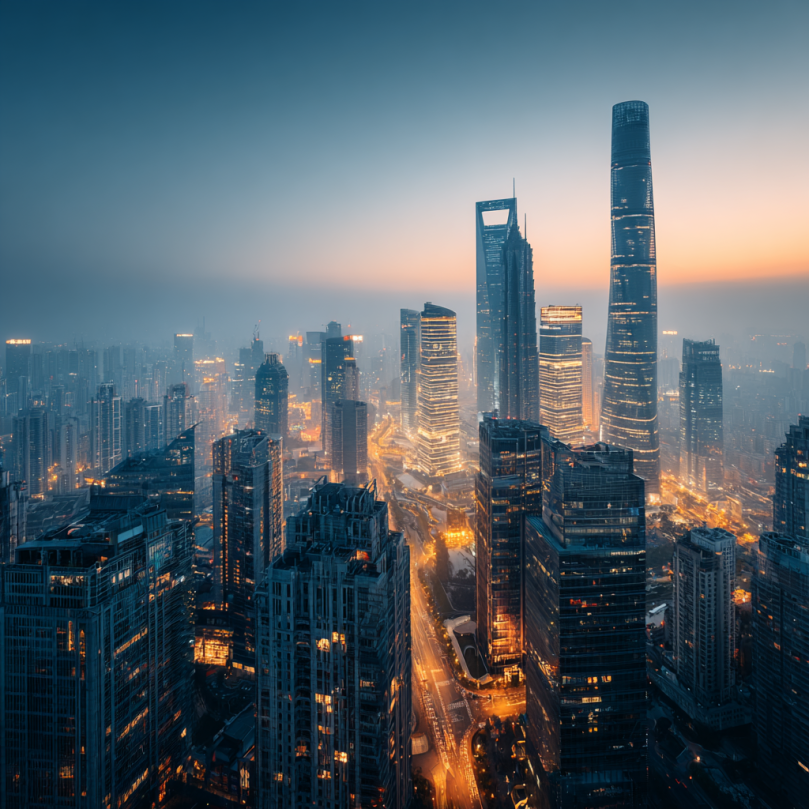
The rise of commercial skyscrapers in modern cities has transformed the urban landscape, as these towering structures now dominate the skylines of major cities worldwide. You may have noticed that cities like New York, Tokyo, and Dubai are home to some of the tallest buildings in the world, and this trend is expected to continue in the coming years. The construction of commercial skyscrapers is a complex process that involves careful planning, innovative design, and advanced engineering techniques. As you read on, you will discover the history, design, and impact of commercial skyscrapers on modern cities.
What is a Skyscraper?
A skyscraper is a continuously habitable building of many stories, usually designed for office, commercial, and residential uses. You can find skyscrapers in major cities around the world, and they are often considered iconic landmarks and symbols of economic power. Skyscrapers are typically defined as buildings that exceed a certain height, usually above 150 meters or 492 feet. They are designed to be functional, efficient, and aesthetically pleasing, with a focus on providing a comfortable and productive environment for occupants.
What you will discover
- History of Skyscrapers — a brief overview of the evolution of skyscrapers from the early 20th century to the present day
- Design and Architecture — an examination of the design principles and architectural styles that influence skyscraper construction
- Engineering and Construction — a discussion of the engineering techniques and construction methods used to build skyscrapers
- Environmental Impact — an analysis of the environmental effects of skyscrapers, including energy consumption and sustainability
- Economic Benefits — a review of the economic benefits of skyscrapers, including job creation and urban development
- Future Trends — a look at the future of skyscraper construction, including emerging technologies and innovative designs
Quick comparison
| Criterion | Traditional Buildings | Skyscrapers | Green Buildings |
|---|---|---|---|
| Height | Up to 10 stories | 20-100 stories | Up to 20 stories |
| Materials | Concrete, steel, brick | Steel, glass, concrete | Sustainable materials, recycled materials |
| Energy Efficiency | Low to moderate | Moderate to high | High |
| Cost | Low to moderate | High | Moderate to high |
For more information on skyscrapers, you can visit our guide to skyscraper construction or check out the Wikipedia article on skyscrapers for a comprehensive overview of the topic.
Complete guide and in-depth analysis of Skyscrapers
The rise of commercial skyscrapers in modern cities has transformed urban landscapes and redefined the way we live and work. As you consider the impact of these towering structures, it’s essential to understand the factors driving their development and the benefits they bring to urban areas. In this guide, we’ll delve into the world of skyscrapers, exploring their history, design, and significance in modern cities.
Evolution of Skyscraper Design
Influence of Architectural Styles
The design of skyscrapers has evolved significantly over the years, influenced by various architectural styles and technological advancements. From the early 20th-century Art Deco skyscrapers to the modern, sleek glass towers, each style has reflected the era’s aesthetic and engineering capabilities. As you explore the world of skyscrapers, you’ll notice how different designs have adapted to the needs of their occupants and the surrounding environment.
Sustainability and Energy Efficiency
Modern skyscrapers are designed with sustainability and energy efficiency in mind, incorporating features such as green roofs, solar panels, and advanced insulation systems. These eco-friendly designs not only reduce the building’s carbon footprint but also provide a healthier and more comfortable working environment for occupants.
Urban Planning and Development
Impact on Local Communities
The construction of skyscrapers can have a significant impact on local communities, both positive and negative. On the one hand, they can bring new businesses, jobs, and amenities to an area, revitalizing the local economy. On the other hand, they can also lead to gentrification, displacing long-time residents and small businesses.
Practical steps to follow
- Step 1: Conduct a thorough analysis of the local market and urban planning regulations before embarking on a skyscraper project.
- Step 2: Engage with local stakeholders, including residents, businesses, and community groups, to ensure that the project meets their needs and concerns.
- Step 3: Incorporate sustainable design principles and energy-efficient systems to minimize the building’s environmental impact.
- Step 4: Develop a comprehensive transportation plan, including pedestrian-friendly and cycling infrastructure, to reduce the building’s carbon footprint.
- Step 5: Establish a maintenance and management plan to ensure the building’s longevity and minimize its operational costs.
- Step 6: Continuously monitor and evaluate the building’s performance, making adjustments as needed to optimize its energy efficiency and occupant comfort.
Key data and statistics
| Indicator | Value / Result | Interpretation |
|---|---|---|
| Number of skyscrapers worldwide | Over 1,500 | Indicates the growing trend of skyscraper construction globally. |
| Average height of skyscrapers | 250-300 meters | Reflects the increasing demand for high-rise buildings in urban areas. |
| Energy consumption of skyscrapers | 10-20% of total urban energy consumption | Highlights the need for energy-efficient design and operations in skyscrapers. |
| Cost of constructing a skyscraper | $500-1,000 per square meter | Indicates the significant investment required for skyscraper development. |
| Occupancy rate of skyscrapers | 80-90% | Suggests the high demand for commercial and residential space in skyscrapers. |
For more information on skyscrapers, you can visit our skyscraper design page or check out the urban planning section. External sources, such as the Wikipedia article on skyscrapers and the U.S. Green Building Council website, provide valuable insights into the world of skyscrapers and sustainable building practices.
Practical tips
Tip 1: Maximizing Space Efficiency
How to put it into practice
When designing commercial skyscrapers, it is essential to maximize space efficiency to accommodate a large number of occupants and various amenities. This can be achieved by optimizing the floor plan, using high-density construction materials, and incorporating green spaces to reduce the urban heat island effect. By doing so, you can create a sustainable and functional building that meets the needs of its occupants.
- Conduct thorough space analysis to identify areas of inefficiency
- Implement a modular design to facilitate easy reconfiguration
- Incorporate natural lighting and ventilation to reduce energy consumption
- Utilize advanced materials and technologies to minimize waste and reduce environmental impact
Tip 2: Ensuring Safety and Accessibility
Emergency Preparedness
Commercial skyscrapers must prioritize safety and accessibility to protect occupants and visitors. This involves implementing robust emergency response plans, installing state-of-the-art security systems, and ensuring compliance with accessibility standards. By doing so, you can create a safe and inclusive environment that promotes occupant well-being and productivity.
Tip 3: Integrating Sustainable Features
Integrating sustainable features into commercial skyscrapers can significantly reduce their environmental footprint. This can be achieved by incorporating renewable energy systems, implementing water conservation measures, and using sustainable materials in construction. By doing so, you can create a building that not only minimizes its impact on the environment but also reduces operating costs and enhances its market value.
Pros and cons
| ✅ Pros | ⚠️ Cons |
|---|---|
| Increased density and reduced urban sprawl | Higher construction and maintenance costs |
| Improved energy efficiency and reduced carbon footprint | Potential for increased traffic congestion and air pollution |
| Enhanced economic growth and job creation | Potential for social and economic segregation |
| Increased accessibility and connectivity | Potential for increased noise pollution and decreased quality of life |
| Iconic architecture and urban landmark | Potential for over-development and loss of community character |
Useful resources
Frequently Asked Questions (FAQ)
What are the benefits of commercial skyscrapers in modern cities?
Commercial skyscrapers offer numerous benefits, including increased office space, reduced urban sprawl, and enhanced economic growth. Skyscrapers also provide a unique opportunity for businesses to establish a prominent presence in the city, boosting their brand visibility and reputation. As a result, skyscrapers have become a staple of modern urban landscapes, driving innovation and progress.
How do skyscrapers impact the environment?
While skyscrapers can have a significant environmental impact, many modern skyscrapers are designed with sustainability in mind. Green skyscrapers incorporate features such as solar panels, green roofs, and energy-efficient systems to minimize their carbon footprint. By adopting eco-friendly designs and technologies, skyscrapers can reduce their environmental impact and contribute to a more sustainable urban future.
What are the main challenges of constructing skyscrapers?
Constructing skyscrapers poses several challenges, including ensuring structural integrity, managing wind and seismic loads, and maintaining occupant safety. Additionally, skyscraper construction requires significant investment, careful planning, and coordination among architects, engineers, and contractors. By overcoming these challenges, developers can create iconic and functional skyscrapers that redefine urban skylines.
How do skyscrapers affect urban planning and development?
Skyscrapers play a crucial role in shaping urban planning and development, as they can influence population density, transportation systems, and community dynamics. By incorporating mixed-use development, public spaces, and amenities, skyscrapers can foster vibrant and inclusive urban environments. Effective urban planning and skyscraper design can create thriving cities that balance growth, sustainability, and quality of life.
What are the economic benefits of investing in skyscrapers?
Investing in skyscrapers can yield significant economic benefits, including increased property values, rental income, and job creation. Skyscrapers can also stimulate local economies by attracting businesses, talent, and tourism, ultimately driving economic growth and development. As a result, skyscrapers have become a popular investment opportunity for developers, investors, and governments seeking to boost their economies.
Can skyscrapers be designed to withstand natural disasters?
Yes, skyscrapers can be designed to withstand natural disasters such as earthquakes, hurricanes, and floods. By incorporating advanced materials, structural systems, and design techniques, architects and engineers can create resilient skyscrapers that minimize damage and ensure occupant safety. Regular maintenance, inspections, and upgrades can also help extend the lifespan of skyscrapers and mitigate the risks associated with natural disasters.