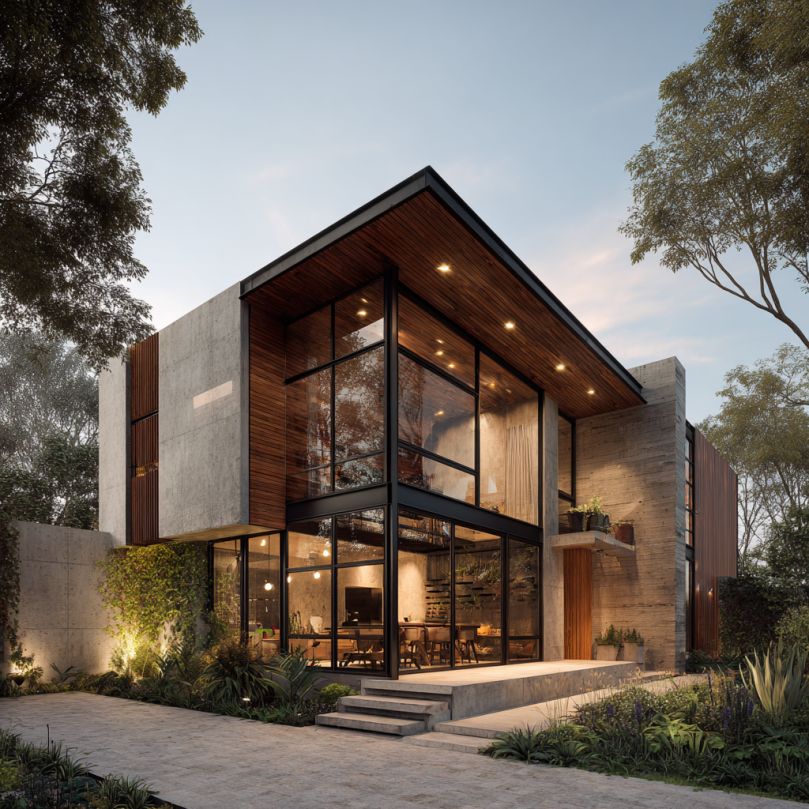

The concept of tall buildings has been a cornerstone of modern urban development, with structures like the Burj Khalifa and the Willis Tower pushing the boundaries of engineering and architecture. As cities continue to grow and expand, the need for efficient and sustainable use of space has become increasingly important. Structural engineering plays a critical role in supporting the development of tall buildings, ensuring that these massive structures are safe, stable, and durable. By understanding the principles and techniques of structural engineering, you can gain a deeper appreciation for the complexities and challenges involved in building these towering skyscrapers.
What is Structural Engineering?
Structural engineering is a field of engineering that deals with the design, construction, and maintenance of structures, including buildings, bridges, and other large-scale constructions. It involves the application of mathematical and scientific principles to ensure that structures can withstand various loads and stresses, such as wind, earthquakes, and gravity. Structural engineers use a combination of materials science, physics, and mathematics to analyze and design structures that are safe, efficient, and cost-effective. In the context of tall buildings, structural engineering is crucial for ensuring that the structure can support its own weight, as well as the weight of occupants, furniture, and other loads.
What you will discover
- The importance of foundation design — a strong foundation is essential for supporting the weight of a tall building and transferring loads to the ground
- The role of materials science — the selection of materials with the right strength, durability, and sustainability is critical for tall building construction
- The impact of wind and seismic loads — tall buildings must be designed to resist wind and seismic forces that can cause damage and instability
- The use of advanced computer simulations — computer-aided design and simulation tools enable engineers to model and analyze complex structural systems
- The integration of sustainability and energy efficiency — tall buildings can be designed to minimize energy consumption and reduce environmental impact
- The future of tall building design — emerging trends and technologies that will shape the future of structural engineering and tall building construction
Quick comparison
| Criterion | Steel Frame | Concrete Frame | Composite Structure |
|---|---|---|---|
| Weight | Lighter | Heavier | Variable |
| Cost | Higher | Lower | Medium |
| Strength | High | High | Very High |
| Sustainability | Medium | Low | High |
| Maintenance | Easy | Difficult | Medium |
For more information on the design and construction of tall buildings, you can refer to our comprehensive guide or visit the Wikipedia page on structural engineering for a detailed overview of the field and its applications.
Complete guide and in-depth analysis of Structural Engineering in Tall Buildings
Structural engineering plays a crucial role in the design and construction of tall buildings, ensuring that these structures can withstand various external forces such as wind, earthquakes, and gravity. As you consider the complexities of tall building construction, it is essential to understand the fundamental principles and steps involved in the process. In this section, we will delve into the key aspects of structural engineering that support the development of tall buildings, providing you with a comprehensive guide to the subject.
Design and Planning
Foundational Considerations
A thorough analysis of the site conditions, including soil type, water table, and nearby structures, is vital in determining the foundation type and design for a tall building. This involves assessing the load-bearing capacity of the soil and selecting a suitable foundation system, such as a deep foundation or a shallow foundation, to ensure the stability and safety of the structure. As you embark on this process, it is crucial to consult with experienced engineers who can provide valuable insights into the design and planning phase.
Structural System Selection
The choice of structural system, including the type of framing, columns, and beams, is critical in tall building design. This decision depends on various factors, such as the building’s height, floor area, and intended use. As you evaluate different structural systems, it is essential to consider factors like material costs, construction time, and maintenance requirements to ensure that the selected system meets your needs and budget.
Materials and Construction
High-Strength Materials
The use of high-strength materials, such as high-strength concrete and steel, is common in tall building construction. These materials offer improved strength-to-weight ratios, allowing for the creation of slender and efficient structural systems. As you explore the various material options, it is crucial to consider factors like durability, sustainability, and cost-effectiveness to ensure that the selected materials meet your project’s requirements.
Practical steps to follow
- Step 1: Conduct a thorough site analysis to determine the foundation type and design
- Step 2: Select a suitable structural system based on the building’s height, floor area, and intended use
- Step 3: Choose high-strength materials that meet the project’s requirements and budget
- Step 4: Develop a detailed construction plan and schedule to ensure timely completion
- Step 5: Implement a quality control program to monitor and address any issues during construction
- Step 6: Conduct regular inspections and maintenance to ensure the building’s longevity and safety
Key data and statistics
| Indicator | Value / Result | Interpretation |
|---|---|---|
| Height of the tallest building in the world | 828 meters | The Burj Khalifa in Dubai, UAE, holds the record for the tallest building in the world |
| Number of tall buildings in the world | Over 1,500 | The number of tall buildings worldwide has increased significantly in recent years, driven by urbanization and economic growth |
| Material usage in tall building construction | Concrete: 60%, Steel: 30%, Other: 10% | Concrete remains the most widely used material in tall building construction, followed by steel and other materials |
| Energy efficiency in tall buildings | 20-30% reduction in energy consumption | Implementing energy-efficient design and systems can significantly reduce energy consumption in tall buildings |
| Cost of tall building construction | $100-500 million | The cost of constructing a tall building can vary widely, depending on factors like location, design, and materials |
For more information on structural engineering and tall building design, you can visit our structural engineering page or consult the tall building design guide. Additionally, you can refer to reliable sources like the American Society of Civil Engineers (ASCE) or the Wikipedia page on tall buildings for further reading and research.
Practical tips
Tip 1: Design Considerations
How to put it into practice
When designing tall buildings, it is essential to consider the structural engineering aspects to ensure the building’s stability and safety. This involves taking into account factors such as wind resistance, seismic activity, and gravity loads. By using advanced computer simulations and modeling techniques, architects and engineers can test and optimize their designs to minimize risks and maximize efficiency.
- Conduct thorough site investigations to determine the soil conditions and potential environmental hazards
- Use high-strength materials and innovative construction techniques to reduce the building’s weight and increase its stability
- Implement robust wind and seismic resistance systems to mitigate the effects of extreme weather conditions
- Collaborate with experienced engineers and architects to ensure that the design meets the required safety and building codes
Tip 2: Material Selection
Optimizing Material Choices
The choice of materials is critical in structural engineering for tall buildings. By selecting the right materials, engineers can minimize the building’s weight, reduce construction costs, and enhance its overall sustainability. This involves considering factors such as strength, durability, and environmental impact.
Tip 3: Regular Maintenance
Regular maintenance is essential to ensure the longevity and safety of tall buildings. This involves conducting regular inspections, monitoring the building’s performance, and addressing any issues promptly. By doing so, building owners and managers can prevent potential problems, reduce maintenance costs, and ensure the continued safety and comfort of occupants.
Pros and cons
| ✅ Pros | ⚠️ Cons |
|---|---|
| Increased urban density and reduced urban sprawl | Higher construction costs and potential environmental impacts |
| Improved safety and reduced risk of accidents | Potential for structural damage or failure if not properly maintained |
| Enhanced energy efficiency and reduced carbon footprint | Increased complexity and potential for design or construction errors |
| Increased property values and potential for economic growth | Potential for social and environmental displacement of existing communities |
| Iconic and visually striking architectural designs | Potential for over-development and loss of urban character |
Useful resources
Frequently Asked Questions (FAQ)
What is the role of structural engineering in supporting tall buildings?
Structural engineering plays a crucial role in supporting tall buildings by ensuring that the structure can withstand various loads and stresses, including wind, earthquakes, and gravity. The main keyword, structural engineering, is essential in designing and constructing safe and stable tall buildings. By using advanced materials and techniques, structural engineers can create innovative solutions to support these massive structures.
How do structural engineers ensure the stability of tall buildings?
Structural engineers use advanced computer simulations and modeling techniques to analyze the behavior of tall buildings under various loads and conditions. They also conduct thorough site investigations to determine the soil conditions and other environmental factors that may affect the structure. By combining these factors, engineers can design and construct stable and secure tall buildings that can withstand extreme conditions.
What are the key factors that influence the design of tall buildings?
The key factors that influence the design of tall buildings include the site location, soil conditions, climate, and local building codes. Structural engineers must also consider the intended use of the building, the number of occupants, and the required safety features. Additionally, factors such as wind resistance, seismic activity, and environmental sustainability must be taken into account to create a safe and functional tall building.
How do tall buildings affect the environment and urban landscape?
Tall buildings can have both positive and negative impacts on the environment and urban landscape. On the one hand, they can provide much-needed housing and commercial space, reducing the need for urban sprawl and promoting more efficient use of land. On the other hand, tall buildings can also contribute to increased energy consumption, traffic congestion, and visual pollution. Structural engineers must balance these factors to create sustainable and environmentally friendly tall buildings.
What are the latest advancements in structural engineering for tall buildings?
The latest advancements in structural engineering for tall buildings include the use of advanced materials such as high-strength concrete and steel, as well as innovative design techniques such as biomimicry and parametric design. Additionally, the use of building information modeling (BIM) and other digital tools has improved the efficiency and accuracy of the design and construction process. These advancements have enabled the creation of taller, safer, and more sustainable buildings.
How do structural engineers ensure the safety of occupants in tall buildings?
Structural engineers ensure the safety of occupants in tall buildings by designing and constructing structures that can withstand extreme events such as earthquakes and hurricanes. They also conduct regular inspections and maintenance to identify and address any potential hazards. Furthermore, engineers must comply with local building codes and regulations, which provide a framework for ensuring the safety and well-being of building occupants. By prioritizing safety, structural engineers can create secure and reliable tall buildings.