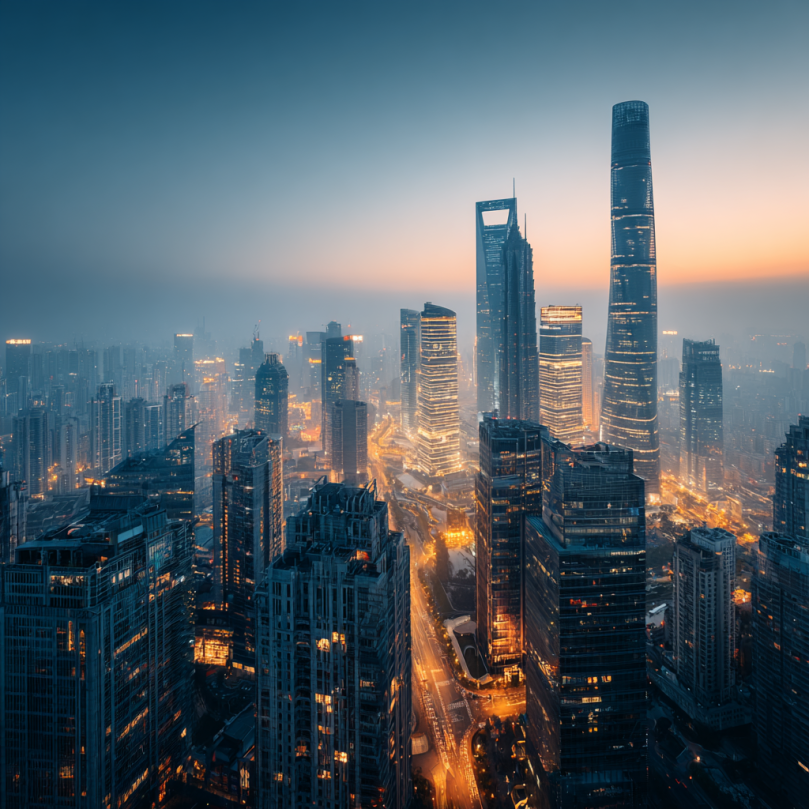
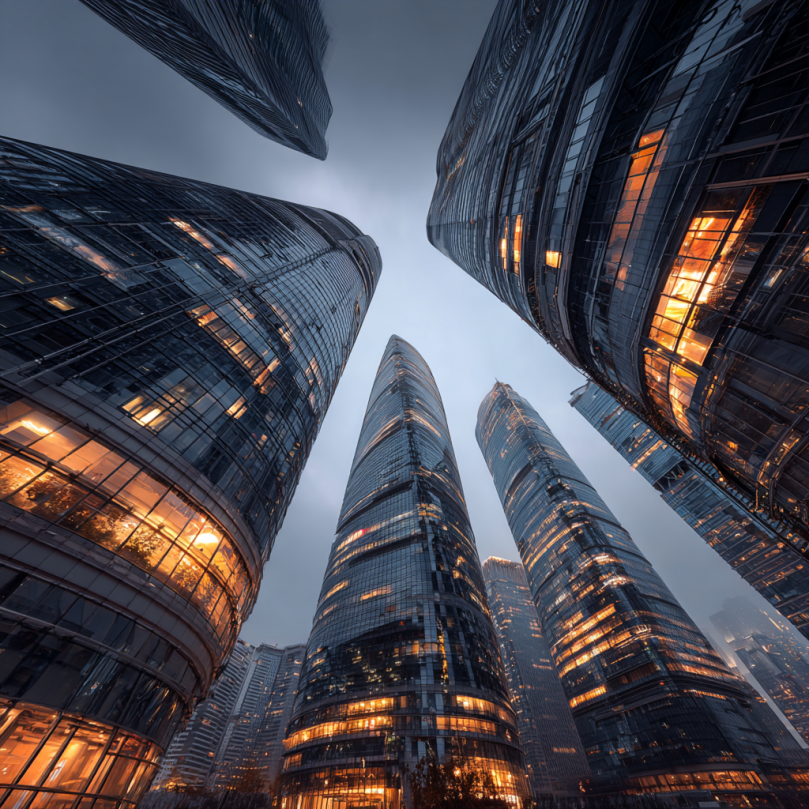
The concept of residential towers has revolutionized the way we think about urban space, offering a unique blend of luxury, convenience, and sustainability. As cities continue to grow and evolve, the need for innovative and efficient housing solutions has become increasingly important. Residential towers, also known as skyscrapers, have emerged as a popular solution, providing a high quality of life for residents while minimizing the impact on the environment. By exploring the benefits and features of residential towers, you will gain a deeper understanding of how these structures can improve urban space.
What is a Residential Tower?
A residential tower is a high-rise building that provides housing for a large number of people, often with a range of amenities and services. These towers can be found in cities around the world, from New York to Tokyo, and offer a unique living experience that combines comfort, convenience, and stunning views. Residential towers can range in height from a few dozen to over 100 stories, and are often designed with sustainability and energy efficiency in mind. They can also serve as a hub for community activity, with shared spaces and amenities that foster social connections and a sense of belonging.
What you will discover
- Improved air quality — reduced carbon footprint through green building technologies
- Enhanced public transportation
- Increased housing options — a range of unit types and sizes to suit different needs and budgets
- Community amenities — shared spaces and services that promote social connections and well-being
- Job creation and economic growth — new opportunities for employment and investment in local businesses
- Urban regeneration — revitalization of underused or neglected areas through thoughtful design and planning
Quick comparison
| Criterion | Low-Rise Buildings | Mid-Rise Buildings | High-Rise Buildings |
|---|---|---|---|
| Energy efficiency | Lower | Medium | Higher |
| Carbon footprint | Larger | Medium | Smaller |
| Cost per unit | Higher | Medium | Lower |
| Community amenities | Limited | Some | Extensive |
| Urban impact | Negative | Neutral | Positive |
For more information on how residential towers can improve urban space, please refer to our comprehensive guide. You can also visit the Wikipedia page on skyscrapers to learn more about the history and design of these structures.
Complete guide — How Residential Towers Transform Urban Landscapes
As the world’s population continues to urbanize, the need for efficient and sustainable urban planning has never been more pressing. Residential towers, also known as skyscrapers, have become a staple of modern cityscapes, offering a unique solution to the challenges of urban growth. In this section, we will delve into the ways in which residential towers can improve urban space, exploring their benefits, design considerations, and practical applications.
Design and Architecture
Maximizing Vertical Space
One of the primary advantages of residential towers is their ability to maximize vertical space, allowing for a greater number of residents to live in a smaller footprint. This not only helps to reduce the pressure on urban infrastructure but also enables the creation of more green spaces and public areas. By incorporating features such as rooftop gardens, sky parks, and green roofs, residential towers can provide residents with access to natural light, fresh air, and stunning views, while also helping to mitigate the urban heat island effect.
Innovative Materials and Technologies
The use of innovative materials and technologies, such as high-strength concrete, steel frames, and advanced glazing systems, has enabled the construction of taller, more efficient, and more sustainable residential towers. These advancements have also facilitated the incorporation of renewable energy systems, such as solar panels and wind turbines, into building design, further reducing the carbon footprint of urban developments.
Urban Planning and Integration
Mixed-Use Developments
Residential towers can be integrated into mixed-use developments, combining residential, commercial, and recreational spaces to create vibrant and dynamic urban environments. By incorporating amenities such as shops, restaurants, and entertainment venues, residential towers can help to foster a sense of community and social connection among residents, while also supporting local businesses and economies.
Practical steps to follow
- Step 1: Conduct a thorough analysis of the site and its surroundings to determine the optimal height and density of the residential tower.
- Step 2: Engage with local stakeholders and community groups to ensure that the development meets the needs and expectations of residents and businesses.
- Step 3: Incorporate sustainable design principles and energy-efficient systems into the building’s design and operation.
- Step 4: Implement innovative transportation solutions, such as electric vehicle charging stations and car-sharing programs, to reduce the development’s carbon footprint.
- Step 5: Monitor and evaluate the development’s performance over time, making adjustments as needed to optimize its environmental and social impact.
- Step 6: Foster a sense of community among residents through the creation of shared spaces and amenities, such as rooftop gardens and community centers.
Key data and statistics
| Indicator | Value / Result | Interpretation |
|---|---|---|
| Global urban population (2020) | 4.38 billion | The proportion of the world’s population living in urban areas is expected to continue growing, reaching 68% by 2050. |
| Average energy consumption per square meter (residential towers) | 150-200 kWh/m² | Residential towers can achieve significant energy savings through the use of efficient design and renewable energy systems. |
| Carbon footprint reduction potential (green roofs) | 10-20% | Green roofs can help to mitigate the urban heat island effect and reduce the carbon footprint of residential towers. |
| Proportion of residents living in high-rise buildings (urban areas) | 30-50% | High-rise buildings, including residential towers, are becoming increasingly common in urban areas, offering a range of benefits and challenges. |
| Global investment in sustainable urban development (2020) | $1.5 trillion | Investment in sustainable urban development is expected to continue growing, driven by the need for efficient and environmentally friendly infrastructure. |
For more information on the benefits and challenges of residential towers, visit our page on urban planning or check out the UN-Habitat website. You can also learn more about the latest developments in sustainable architecture on green building or explore the US Environmental Protection Agency website for resources and guidance on reducing the environmental impact of urban development.
Practical tips
Tip 1: Maximizing Vertical Space
How to put it into practice
When designing residential towers, it is essential to consider the efficient use of vertical space. This can be achieved by incorporating features such as high ceilings, mezzanine floors, and rooftop gardens. By doing so, you can create a sense of openness and expansiveness, making the most of the available space.
- Incorporate floor-to-ceiling windows to maximize natural light and views
- Utilize mezzanine floors to create additional storage or living areas
- Design rooftop gardens to provide residents with outdoor recreational spaces
- Consider using modular construction techniques to streamline the building process
Tip 2: Integrating Sustainable Design
Energy Efficiency
Sustainable design is crucial in residential towers, as it not only reduces the environmental impact but also provides long-term cost savings for residents. This can be achieved by incorporating features such as solar panels, green roofs, and energy-efficient appliances.
Tip 3: Fostering Community Engagement
Residential towers can often be isolating, but by incorporating community-focused design elements, you can foster a sense of connection among residents. This can be achieved by creating shared spaces such as community rooms, fitness centers, and outdoor recreational areas.
Pros and cons
| Pros | Cons |
|---|---|
| Increased housing density, reducing urban sprawl | Higher construction costs due to complex engineering requirements |
| Improved access to amenities and services, such as public transportation and shopping centers | Potential for increased traffic and congestion in surrounding areas |
| Enhanced views and natural light for residents | Privacy concerns due to proximity to neighboring buildings |
| Opportunities for innovative and sustainable design | Potential for gentrification and displacement of existing communities |
| Reduced environmental impact through efficient use of resources | Higher maintenance costs due to complex systems and equipment |
Useful resources
Frequently Asked Questions (FAQ)
What are the benefits of residential towers in urban spaces?
Residential towers, also known as skyscrapers, can greatly improve urban space by providing a high density of housing, reducing the need for urban sprawl, and promoting more efficient use of land. This can lead to a more sustainable and livable city, with a reduced carbon footprint and more green spaces. By incorporating residential towers into urban planning, cities can become more vibrant and dynamic, with a better quality of life for residents.
How do residential towers affect traffic and transportation in urban areas?
Residential towers can have a positive impact on traffic and transportation in urban areas by reducing the need for lengthy commutes and promoting the use of public transportation. By providing a high concentration of housing in a central location, residents are more likely to use public transportation, walk, or bike to work, reducing the number of cars on the road and decreasing congestion. This can lead to a more efficient and sustainable transportation system.
What are the environmental benefits of residential towers?
Residential towers can have a number of environmental benefits, including reducing the urban heat island effect, conserving energy, and promoting the use of green spaces. By incorporating green roofs, solar panels, and energy-efficient systems, residential towers can reduce their carbon footprint and contribute to a more sustainable urban environment. Additionally, the high density of residential towers can lead to a reduced need for urban sprawl, preserving natural habitats and ecosystems.
How do residential towers impact local businesses and economies?
Residential towers can have a positive impact on local businesses and economies by providing a concentrated customer base and promoting the growth of new businesses. By locating residential towers in urban areas, residents are more likely to shop and dine locally, supporting small businesses and contributing to the local economy. This can lead to a more vibrant and dynamic local community, with a diverse range of businesses and services.
What are the social benefits of residential towers?
Residential towers can have a number of social benefits, including promoting community engagement, reducing social isolation, and providing access to amenities and services. By incorporating community spaces, such as parks, community centers, and public art installations, residential towers can foster a sense of community and social connection among residents. This can lead to a more cohesive and supportive community, with a improved quality of life for residents.
How can residential towers be designed to promote sustainability and energy efficiency?
Residential towers can be designed to promote sustainability and energy efficiency by incorporating a range of features, including green roofs, solar panels, and energy-efficient systems. By using materials and systems that are sustainable and environmentally friendly, residential towers can reduce their carbon footprint and contribute to a more sustainable urban environment. Additionally, designers can incorporate features such as natural ventilation, daylighting, and rainwater harvesting to reduce the tower’s environmental impact.