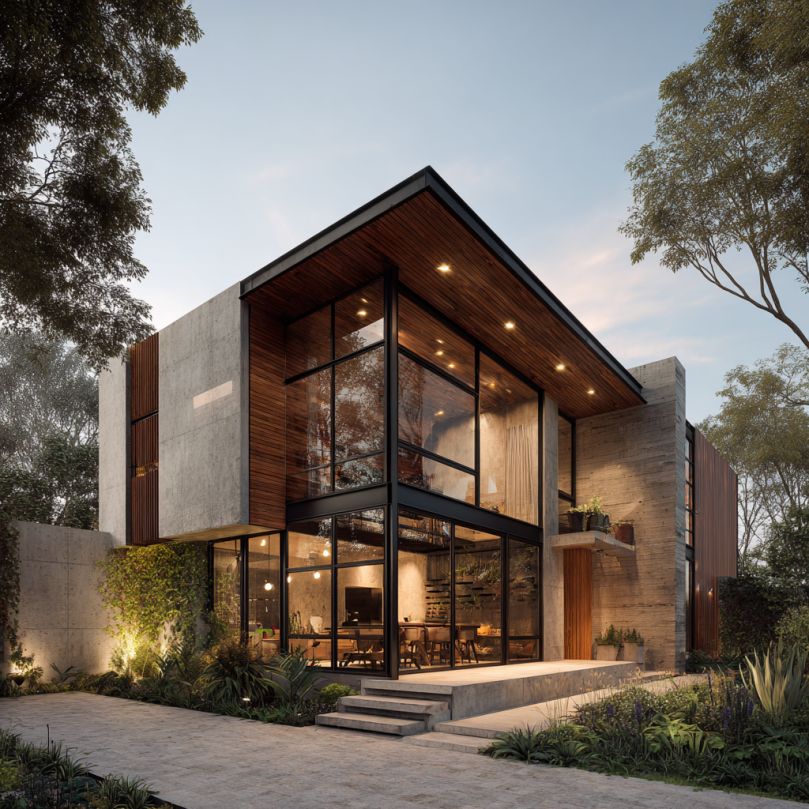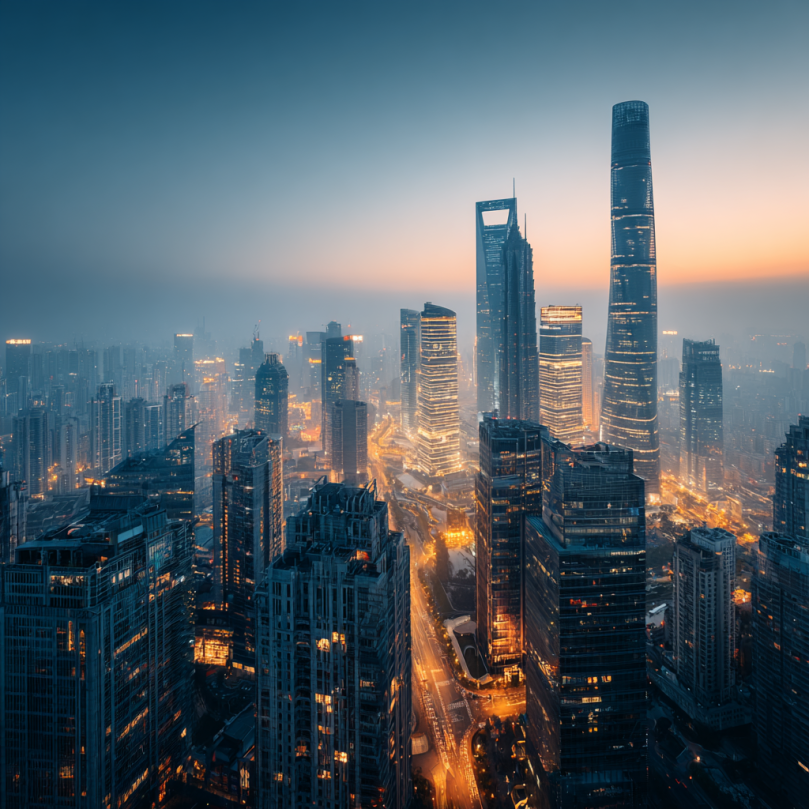
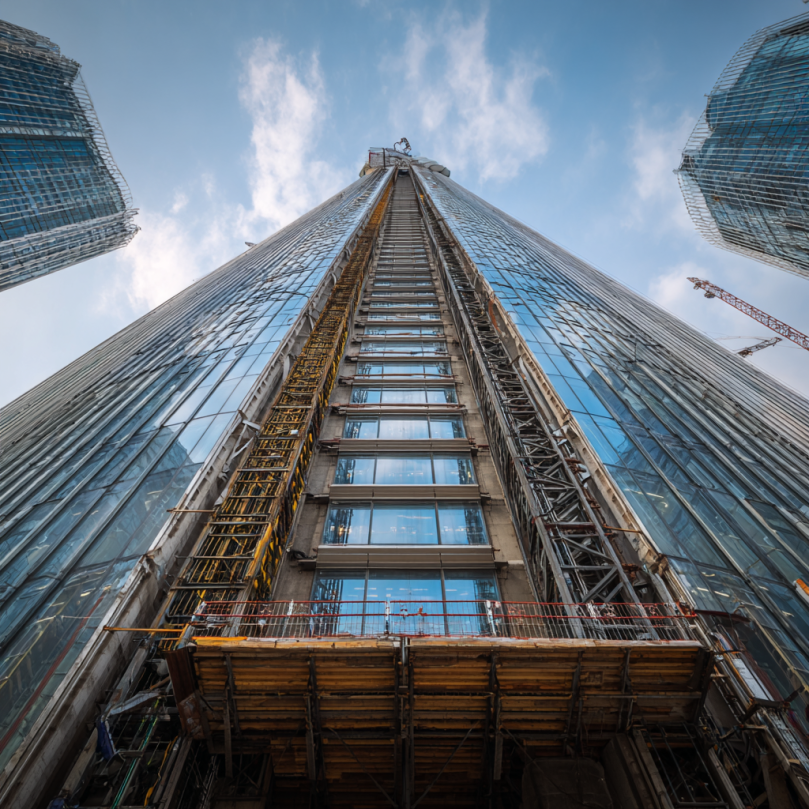
As the world’s population continues to urbanize, the need for sustainable cities has become a pressing concern. One innovative solution that has gained significant attention in recent years is the development of green skyscrapers. These towering structures are designed to not only minimize their environmental footprint but also to provide a healthy and productive environment for their occupants. By incorporating green technologies and sustainable design principles, green skyscrapers are revolutionizing the way we think about urban development.
What is Sustainable Urban Development?
Sustainable urban development refers to the practice of creating and maintaining urban areas that are environmentally friendly, socially responsible, and economically viable. It involves a holistic approach to urban planning, taking into account the needs of current and future generations. Sustainable urban development aims to reduce the negative impacts of urbanization, such as pollution, congestion, and climate change, while promoting economic growth, social equity, and environmental protection. This concept is crucial in the development of green skyscrapers, as it provides a framework for designing and building sustainable cities.
What you will discover
- The benefits of green skyscrapers — including reduced energy consumption and lower greenhouse gas emissions
- Sustainable design principles — such as natural ventilation, solar shading, and green roofs
- Green technologies — including renewable energy systems, rainwater harvesting, and greywater reuse
- Case studies of successful green skyscrapers — showcasing best practices and lessons learned
- Challenges and limitations — including high upfront costs and regulatory barriers
- Future directions and opportunities — for innovation and growth in the field of sustainable urban development
Quick comparison
| Criterion | Traditional Skyscrapers | Green Skyscrapers | Net-Zero Energy Buildings |
|---|---|---|---|
| Energy consumption | High | Reduced | Near zero |
| Water usage | High | Reduced | Minimal |
| Greenhouse gas emissions | High | Reduced | Near zero |
| Cost | Lower upfront | Higher upfront | Higher upfront |
| Return on investment | Lower | Higher | Higher |
For more information on sustainable urban development, you can visit our comprehensive guide or check out the United States Environmental Protection Agency’s website for resources and best practices.
Complete guide and in-depth analysis — Green Skyscrapers for Sustainable Cities
The incorporation of green skyscrapers into urban landscapes is a pivotal step towards achieving sustainable cities. By integrating green technologies and sustainable design principles, these structures not only reduce their environmental footprint but also provide healthier living and working spaces for occupants. As you delve into the world of green skyscrapers, it becomes evident that their impact extends beyond the building itself, contributing to the overall sustainability of the city.
Design and Architecture
Energy Efficiency
Detailed and actionable explanations of green skyscraper designs often highlight the importance of energy efficiency. This can be achieved through the use of materials with high thermal mass, double-glazed windows, and advanced insulation techniques. Such measures significantly reduce the need for heating and cooling, thereby lowering energy consumption and greenhouse gas emissions.
Green Roofs and Walls
Another crucial aspect of green skyscraper design is the incorporation of green roofs and walls. These not only provide additional insulation but also create habitats for local wildlife, help to manage stormwater runoff, and improve air quality by absorbing pollutants and producing oxygen.
Sustainable Technologies
Renewable Energy Systems
Explanation of how green skyscrapers often feature renewable energy systems, such as solar panels and wind turbines, to generate electricity on-site. This approach reduces reliance on non-renewable energy sources and contributes to a cleaner energy mix for the city.
Urban Planning and Policy
Explanation of how urban planning and policy play a critical role in the development and integration of green skyscrapers. Cities that encourage sustainable development through incentives, zoning laws, and green building codes are more likely to see a proliferation of green skyscrapers, contributing to the overall sustainability of the urban environment.
Practical steps to follow
- Step 1: Conduct a thorough site analysis to determine the feasibility of incorporating green technologies and design principles into your skyscraper project.
- Step 2: Engage with architects and engineers experienced in sustainable design to develop a comprehensive plan that meets local green building standards.
- Step 3: Explore financing options and incentives offered by local governments for sustainable development projects.
- Step 4: Implement a robust energy management system to monitor and optimize energy usage throughout the building’s lifecycle.
- Step 5: Incorporate educational programs for occupants on the importance and proper use of green technologies and sustainable practices within the building.
- Step 6: Regularly assess and improve the building’s sustainability performance, incorporating feedback from occupants and new technologies as they become available.
Key data and statistics
| Indicator | Value / Result | Interpretation |
|---|---|---|
| Reduction in energy consumption | Up to 30% | This significant reduction highlights the potential of green skyscrapers to lower operational costs and environmental impact. |
| Increase in property value | Average of 10-15% | Green buildings, including skyscrapers, often command higher property values due to their appeal to environmentally conscious buyers and renters. |
| Carbon footprint reduction | Average of 50% | This substantial decrease in carbon emissions contributes to global efforts to combat climate change and achieve a more sustainable future. |
| Water conservation | Up to 50% | Green skyscrapers often incorporate advanced water management systems, significantly reducing water waste and conserving this precious resource. |
| Air quality improvement | Significant reduction in pollutants | By incorporating green spaces and advanced air filtration systems, green skyscrapers can improve both indoor and outdoor air quality, enhancing the health and well-being of occupants and the surrounding community. |
For more information on sustainable urban development, visit the United Nations or the United States Environmental Protection Agency. Additionally, you can find detailed guides and case studies on green skyscrapers by navigating to our sustainable design section or our page on green technologies.
Practical tips
Tip 1: Incorporating Green Spaces
How to put it into practice
When designing green skyscrapers, it is essential to incorporate green spaces, such as rooftop gardens, green walls, and urban parks, to provide habitats for local wildlife and help mitigate the urban heat island effect. This can be achieved by working with landscape architects and urban planners to ensure that the building’s design is integrated with the surrounding ecosystem.
- Conduct an environmental impact assessment to identify the potential effects of the building on the local ecosystem
- Collaborate with local stakeholders to ensure that the building’s design meets their needs and expectations
- Incorporate native plant species and materials to minimize the building’s carbon footprint
- Implement a maintenance plan to ensure the long-term sustainability of the green spaces
Tip 2: Energy-Efficient Design
Optimizing Building Performance
Energy-efficient design is critical to reducing the environmental impact of green skyscrapers. This can be achieved by using materials and systems that minimize energy consumption, such as solar panels, wind turbines, and high-performance insulation. Building information modeling (BIM) can also be used to optimize building performance and identify areas for improvement.
Tip 3: Water Conservation
Water conservation is another crucial aspect of sustainable green skyscrapers. This can be achieved by implementing water-efficient systems, such as rainwater harvesting and greywater reuse, to reduce the building’s water consumption. Additionally, water-saving appliances and fixtures can be installed to minimize water waste.
Pros and cons
| ✅ Pros | ⚠️ Cons |
|---|---|
| Reduced energy consumption and greenhouse gas emissions | Higher upfront costs for green building materials and systems |
| Improved indoor air quality and occupant health | Increased complexity in building design and maintenance |
| Enhanced biodiversity and ecosystem services | Potential for increased water consumption for irrigation and maintenance |
| Increased property value and marketability | Higher maintenance costs for green roofs and walls |
| Improved community engagement and social benefits | Potential for conflicts between different stakeholder groups |
Useful resources
Frequently Asked Questions (FAQ)
What are green skyscrapers and how do they support sustainable cities?
Green skyscrapers are high-rise buildings that incorporate environmentally friendly design, materials, and systems to reduce their carbon footprint. They support sustainable cities by minimizing energy consumption, reducing waste, and promoting eco-friendly practices. By adopting green skyscrapers, cities can reduce their environmental impact and create a healthier living space for their inhabitants, ultimately contributing to the development of sustainable cities.
How do green skyscrapers reduce energy consumption?
Green skyscrapers reduce energy consumption through the use of renewable energy sources, such as solar and wind power, and by incorporating energy-efficient systems, like LED lighting and smart building technologies. Additionally, green skyscrapers often feature green roofs, walls, and facades that provide insulation, reducing the need for heating and cooling. These features help minimize the building’s carbon footprint and contribute to a more sustainable urban environment.
What are the benefits of green skyscrapers for urban air quality?
Green skyscrapers can significantly improve urban air quality by reducing pollution and promoting cleaner air. Through the use of green roofs and walls, green skyscrapers can absorb pollutants and particulate matter, improving air quality and creating a healthier environment for city dwellers. Furthermore, green skyscrapers often incorporate air filtration systems and ventilation technologies that further reduce indoor air pollution.
Can green skyscrapers help mitigate the urban heat island effect?
Yes, green skyscrapers can help mitigate the urban heat island effect by providing shade, reducing heat gain, and promoting evapotranspiration through green roofs and walls. The urban heat island effect occurs when built-up areas absorb and retain heat, leading to higher temperatures than surrounding rural areas. By incorporating green spaces and energy-efficient design, green skyscrapers can help reduce the urban heat island effect and create a cooler, more comfortable urban environment.
How do green skyscrapers impact the local ecosystem?
Green skyscrapers can have a positive impact on the local ecosystem by providing habitat for wildlife, reducing stormwater runoff, and promoting biodiversity. Through the incorporation of green roofs, walls, and facades, green skyscrapers can create habitat for local plant and animal species, helping to maintain urban biodiversity. Additionally, green skyscrapers can reduce stormwater runoff by absorbing and filtering rainwater, reducing the burden on urban drainage systems.
What role do green skyscrapers play in supporting sustainable urban development?
Green skyscrapers play a critical role in supporting sustainable urban development by providing a model for environmentally responsible building practices. By incorporating green design, materials, and systems, green skyscrapers can reduce their environmental impact, promote eco-friendly practices, and create a healthier, more sustainable urban environment. As cities continue to grow and develop, green skyscrapers can serve as a benchmark for sustainable urban development, inspiring other buildings and developments to adopt environmentally friendly practices.