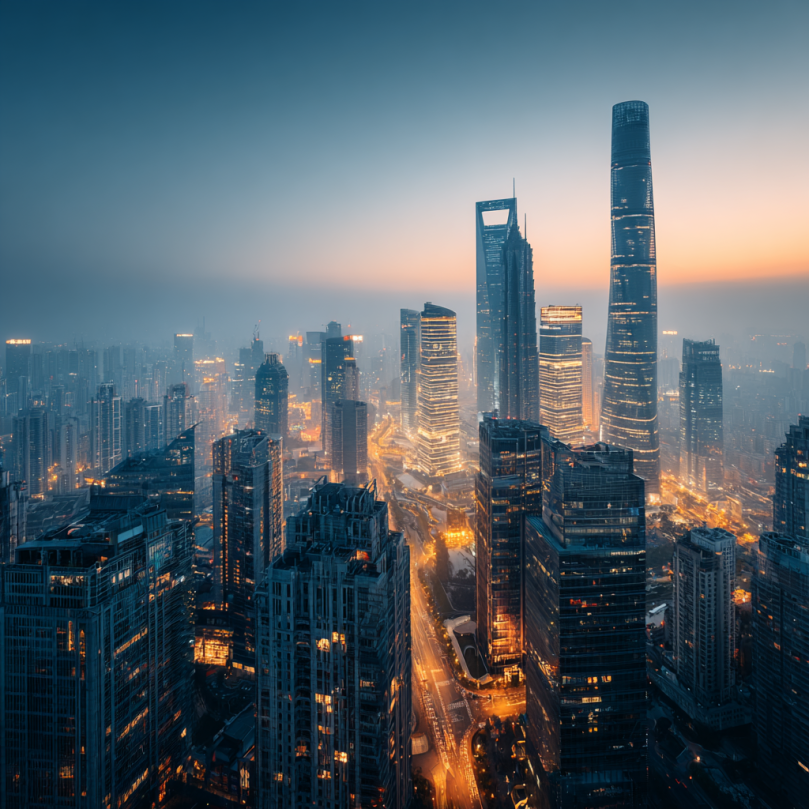
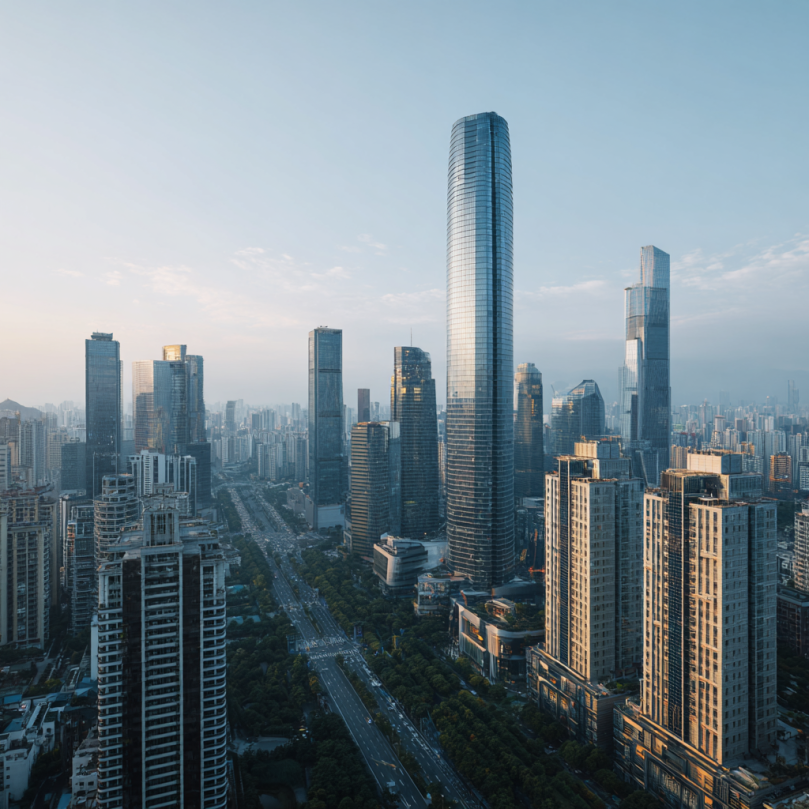
As cities continue to grow and urbanize, the demand for skyscrapers has increased significantly, presenting numerous challenges for architects, engineers, and construction teams. The construction of skyscrapers is a complex process that requires careful planning, precise execution, and a deep understanding of the various challenges involved. From foundation design to wind resistance, every aspect of skyscraper construction must be carefully considered to ensure the safety and stability of the building. By understanding these challenges, you can better appreciate the complexity and ingenuity that goes into building these towering structures.
What is Skyscraper Construction?
Skyscraper construction refers to the process of designing and building extremely tall buildings, typically exceeding 150 meters in height. This type of construction requires specialized knowledge and expertise, as well as advanced materials and technologies. Skyscraper construction involves a range of disciplines, including architecture, engineering, and project management, and must take into account factors such as wind resistance, seismic activity, and environmental sustainability. The goal of skyscraper construction is to create safe, functional, and aesthetically pleasing buildings that meet the needs of their occupants and the surrounding community.
What you will discover
- Foundation design challenges — the importance of a stable foundation in supporting the weight of the building
- Wind resistance and seismic activity — the impact of external forces on skyscraper stability
- Material selection and sustainability — the role of materials in minimizing environmental impact
- Project management and coordination — the importance of effective planning and communication in skyscraper construction
- Occupant safety and comfort — the need to balance safety and comfort in skyscraper design
- Regulatory compliance and zoning restrictions — the importance of adhering to local regulations and zoning laws
Quick comparison
| Criterion | Traditional Construction | Modular Construction | Hybrid Construction |
|---|---|---|---|
| Construction time | Longer | Shorter | Variable |
| Cost | Higher | Lower | Medium |
| Sustainability | Lower | Higher | Medium |
| Quality control | More challenging | Easier | Variable |
| Scalability | Less scalable | More scalable | Scalable |
For more information on skyscraper construction, you can refer to our comprehensive guide or visit the Wikipedia page on skyscrapers for a detailed overview of the history and development of these structures.
Complete guide
Content unavailable.
Practical tips
Tip 1: Effective Project Planning
How to put it into practice
When it comes to skyscraper construction, effective project planning is crucial to overcoming common challenges. You should start by setting clear goals and objectives, and then break down the project into smaller, manageable tasks. This will help you identify potential risks and develop strategies to mitigate them.
- Define project scope and timeline
- Establish a budget and resource allocation plan
- Identify and assess potential risks and develop contingency plans
- Develop a communication plan to ensure stakeholders are informed and engaged
Tip 2: Collaborative Teamwork
Importance of Communication
Collaborative teamwork is essential for successful skyscraper construction. You should foster a culture of open communication and collaboration among team members, stakeholders, and contractors. This will help ensure that everyone is working towards the same goals and that potential issues are identified and addressed promptly.
Tip 3: Innovative Technology Adoption
Embracing innovative technologies, such as building information modeling (BIM) and modular construction, can help streamline the construction process and reduce costs. You should stay up-to-date with the latest industry trends and technologies, and consider adopting those that can benefit your project.
Pros and cons
| ✅ Pros | ⚠️ Cons |
|---|---|
| Increased housing and office space | High construction costs |
| Improved urban planning and development | Environmental impact and energy consumption |
| Enhanced economic growth and job creation | Potential for construction delays and cost overruns |
| Iconic landmarks and architectural innovation | Safety concerns and risk of accidents |
| Long-term investment and potential for high returns | Complexity of project management and coordination |
Useful resources
Frequently Asked Questions (FAQ)
What are the common challenges faced during skyscraper construction?
Skyscraper construction poses several challenges, including foundation and structural issues, wind and seismic loads, and logistical complexities. These challenges can be overcome with meticulous planning, advanced engineering techniques, and careful execution. Effective management of these challenges is crucial to ensure the successful completion of skyscraper construction projects.
How do environmental factors impact skyscraper construction?
Environmental factors such as extreme weather conditions, earthquakes, and soil instability can significantly impact skyscraper construction. Builders must consider these factors during the design and construction phases to ensure the structural integrity and safety of the building. By incorporating sustainable and resilient design principles, developers can mitigate the risks associated with environmental factors and create more durable skyscrapers.
What role does technology play in addressing skyscraper construction challenges?
Technology plays a vital role in addressing the challenges associated with skyscraper construction, including building information modeling (BIM), modular construction, and advanced materials. These technologies enable developers to streamline the construction process, reduce costs, and improve the overall quality of the building. By leveraging technology, builders can overcome traditional construction challenges and create more efficient, sustainable, and resilient skyscrapers.
How do skyscraper construction projects impact local communities?
Skyscraper construction projects can have both positive and negative impacts on local communities, including job creation, increased property values, and potential disruptions to daily life. Developers must engage with local stakeholders and incorporate community-focused design principles to minimize the negative impacts and maximize the benefits of skyscraper construction. By doing so, builders can create skyscrapers that not only meet the needs of occupants but also contribute to the overall well-being of the surrounding community.
What are the key considerations for ensuring skyscraper construction safety?
Ensuring skyscraper construction safety requires careful attention to detail, rigorous quality control, and a commitment to best practices. Developers must prioritize the safety of workers, occupants, and the surrounding community by implementing robust safety protocols, providing regular training, and maintaining a culture of safety throughout the construction process. By doing so, builders can minimize the risk of accidents and create a safe working environment for all stakeholders involved.
How can developers balance the need for sustainability with the demands of skyscraper construction?
Developers can balance the need for sustainability with the demands of skyscraper construction by incorporating green building principles, using energy-efficient materials, and optimizing building performance. By prioritizing sustainability, builders can reduce the environmental footprint of skyscrapers, minimize operating costs, and create healthier, more productive spaces for occupants. By adopting a sustainable approach to skyscraper construction, developers can create buildings that not only meet the needs of today but also contribute to a more sustainable future.