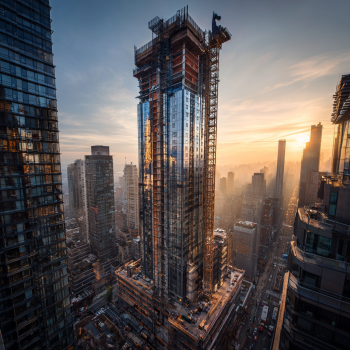
Building a skyscraper is a complex and fascinating process that requires meticulous planning, precision engineering, and skilled labor. As you delve into the world of high-rise construction, you will discover the intricacies of designing and building structures that push the boundaries of architecture and engineering. With the increasing demand for urbanization and sustainable development, skyscrapers have become an integral part of modern cityscapes. In this article, you will explore the step-by-step process of building a skyscraper, from conceptualization to completion.
What is Skyscraper Development?
Skyscraper development refers to the process of designing, planning, and constructing high-rise buildings that exceed a certain height, typically above 150 meters. These structures require specialized engineering and architectural expertise to ensure stability, safety, and sustainability. Skyscrapers can be used for various purposes, including residential, commercial, or mixed-use developments. The development of skyscrapers involves a multidisciplinary approach, incorporating fields such as architecture, engineering, economics, and urban planning.
What you will discover
- Site selection and planning — the process of identifying a suitable location for the skyscraper and preparing the site for construction
- Design and architecture — the creative process of designing the skyscraper’s aesthetic and functional aspects
- Structural engineering — the calculation and implementation of the skyscraper’s structural system, including foundations, columns, and beams
- Building services and systems — the installation of essential services such as electrical, plumbing, and HVAC systems
- Sustainability and energy efficiency — the incorporation of eco-friendly features and energy-saving technologies into the skyscraper’s design and operation
- Project management and construction — the oversight and execution of the construction process, including scheduling, budgeting, and quality control
Quick comparison
| Criterion | Low-Rise Building | Mid-Rise Building | High-Rise Building |
|---|---|---|---|
| Height | Up to 35 meters | 35-100 meters | Above 150 meters |
| Materials | Steel, concrete, wood | Steel, concrete, glass | High-strength concrete, steel, advanced materials |
| Structural system | Load-bearing walls | Frame structure | High-rise frame structure with outriggers and belt trusses |
| Foundation | Shallow foundation | Deep foundation | Deep foundation with piles or caissons |
| Wind resistance | Low wind loads | Moderate wind loads | High wind loads with aerodynamic design |
For a more detailed guide on the construction process, please refer to our comprehensive guide. Additionally, you can visit the Wikipedia page on skyscrapers for more information on the history and development of high-rise buildings.
Complete guide and in-depth analysis of the skyscraper development process
The process of building a skyscraper is complex and involves multiple stages, from planning and design to construction and completion. As you consider embarking on such a project, it is essential to understand the various aspects involved to ensure success. Throughout this guide, we will delve into the key steps and considerations necessary for the development of a skyscraper.
Pre-construction planning
Site selection and feasibility studies
Detailed and actionable explanation of the importance of selecting the right location for your skyscraper, including factors such as accessibility, zoning regulations, and environmental impact. This stage is crucial as it sets the foundation for the entire project, and any oversight can lead to significant delays or cost overruns.
Design and architectural considerations
Explanation of the design process, including the creation of a concept, development of a schematic design, and production of detailed construction documents. This phase involves collaboration between architects, engineers, and other stakeholders to ensure that the building is not only aesthetically pleasing but also structurally sound and functional.
Construction and project management
Procurement and contracting
Explanation of the process of hiring contractors and procuring materials, emphasizing the need for clear communication, transparent bidding processes, and robust contract management to avoid disputes and ensure timely completion.
Practical steps to follow
- Step 1: Conduct thorough market research and feasibility studies to determine the viability of your project.
- Step 2: Engage with local authorities to understand and comply with all relevant building codes and zoning regulations.
- Step 3: Assemble a team of experienced professionals, including architects, engineers, and contractors, to oversee the design and construction phases.
- Step 4: Develop a comprehensive project schedule and budget, including contingency plans for unexpected setbacks.
- Step 5: Implement a rigorous quality control process to ensure that all work meets the required standards.
- Step 6: Plan for the operational phase, including staffing, maintenance, and management of the completed skyscraper.
Key data and statistics
| Indicator | Value / Result | Interpretation |
|---|---|---|
| Average cost per square foot for skyscraper construction | $500 | This cost can vary significantly based on location, materials, and design complexity. |
| Typical construction time for a skyscraper | 5-10 years | Dependent on the size of the project, complexity of design, and efficiency of the construction process. |
| Energy efficiency savings with green building technologies | 20-30% | Implementing sustainable design and technologies can significantly reduce operational costs and environmental impact. |
| Global skyscraper completion rate | 500 per year | Indicates a steady demand for high-rise buildings in urban areas around the world. |
| Average occupancy rate for newly completed skyscrapers | 80% | Suggests a strong market demand for commercial and residential space in skyscrapers. |
For more information on the design and construction of skyscrapers, you can visit our skyscraper design page or refer to construction management best practices. Additionally, external resources such as the Wikipedia page on skyscrapers and the U.S. Green Building Council website provide valuable insights into the world of high-rise development.
Practical tips
Tip 1: Planning and Design
How to put it into practice
When building a skyscraper, it is essential to have a thorough plan and design in place. This includes considering factors such as the site location, environmental impact, and local building codes. You should work with experienced architects and engineers to create a design that is both functional and aesthetically pleasing. As you embark on this process, you will need to consider the needs of the future occupants and ensure that the building is designed with their needs in mind.
- Conduct a thorough site analysis to determine the best use of the land
- Develop a comprehensive design plan that takes into account the local building codes and regulations
- Work with experienced architects and engineers to create a functional and aesthetically pleasing design
- Consider the environmental impact of the building and incorporate sustainable design elements
Tip 2: Construction and Project Management
Effective Project Management
Effective project management is crucial when building a skyscraper. This includes managing the construction timeline, budget, and resources. You should work with experienced project managers who can oversee the construction process and ensure that it is completed on time and within budget. As you work on this aspect, you will need to consider the various stakeholders involved and ensure that their needs are met.
Tip 3: Safety and Risk Management
Safety and risk management are critical components of building a skyscraper. This includes identifying potential risks and taking steps to mitigate them. You should work with experienced safety professionals to develop a comprehensive safety plan that takes into account the unique risks associated with skyscraper construction.
Pros and cons
| ✅ Pros | ⚠️ Cons |
|---|---|
| Increased density and urbanization, allowing for more efficient use of land | High construction costs and potential environmental impact |
| Improved economic growth and job creation through the construction and subsequent occupancy of the building | Potential disruptions to local traffic and infrastructure during construction |
| Enhanced prestige and reputation for the city or region, attracting businesses and tourism | Concerns about safety and emergency evacuation procedures in the event of an emergency |
| Opportunities for innovative and sustainable design, incorporating green technologies and energy-efficient systems | Potential for gentrification and displacement of existing communities |
| Potential for increased property values and tax revenue for local governments | Complexity and challenges associated with managing and maintaining a large and complex building |
Useful resources
Frequently Asked Questions (FAQ)
What is the step-by-step process of building a skyscraper?
The step-by-step process of building a skyscraper involves planning, designing, and constructing the building, which requires careful consideration of factors such as location, materials, and safety protocols, all of which are crucial in the development of a skyscraper. This process typically includes site preparation, excavation, foundation work, and the installation of structural systems, including the frame, exterior cladding, and mechanical systems. By following this process, developers can ensure a successful skyscraper development project.
How long does it take to build a skyscraper?
The time it takes to build a skyscraper can vary greatly, depending on factors such as the size and complexity of the project, as well as the availability of resources and labor, all of which impact the development timeline. On average, a skyscraper can take anywhere from 2 to 5 years to complete, although some projects may take longer due to unforeseen delays or complications. Effective planning and management are essential to ensure the project stays on track and is completed within the desired timeframe.
What are the most important factors to consider when building a skyscraper?
When building a skyscraper, some of the most important factors to consider include the structural integrity of the building, the safety of occupants and pedestrians, and the environmental impact of the project, all of which are critical in the development of a sustainable skyscraper. Additionally, factors such as budget, scheduling, and compliance with local regulations and codes must also be taken into account to ensure a successful development project.
How much does it cost to build a skyscraper?
The cost of building a skyscraper can vary greatly, depending on factors such as the size, materials, and location of the project, all of which impact the development budget. On average, the cost of building a skyscraper can range from $100 million to over $1 billion, although some projects may be more or less expensive due to various factors. It is essential to create a detailed budget and financial plan to ensure the project is completed within the allocated funds and meets the desired development goals.
What are the benefits of building a skyscraper?
Building a skyscraper can have numerous benefits, including providing a unique and prestigious address for businesses and residents, as well as contributing to the economic and social development of the surrounding area, which is a key aspect of urban development. Skyscrapers can also serve as iconic landmarks and symbols of a city’s prosperity and growth, making them an attractive option for developers and investors looking to make a lasting impact on the development of a city.
What are the challenges of building a skyscraper?
Building a skyscraper can be a complex and challenging process, with potential obstacles including technical difficulties, logistical issues, and financial constraints, all of which can impact the development process. Additionally, skyscraper development projects must also comply with strict safety and regulatory requirements, which can add to the complexity and cost of the project. Effective planning, management, and problem-solving are essential to overcome these challenges and ensure the successful completion of the development project.