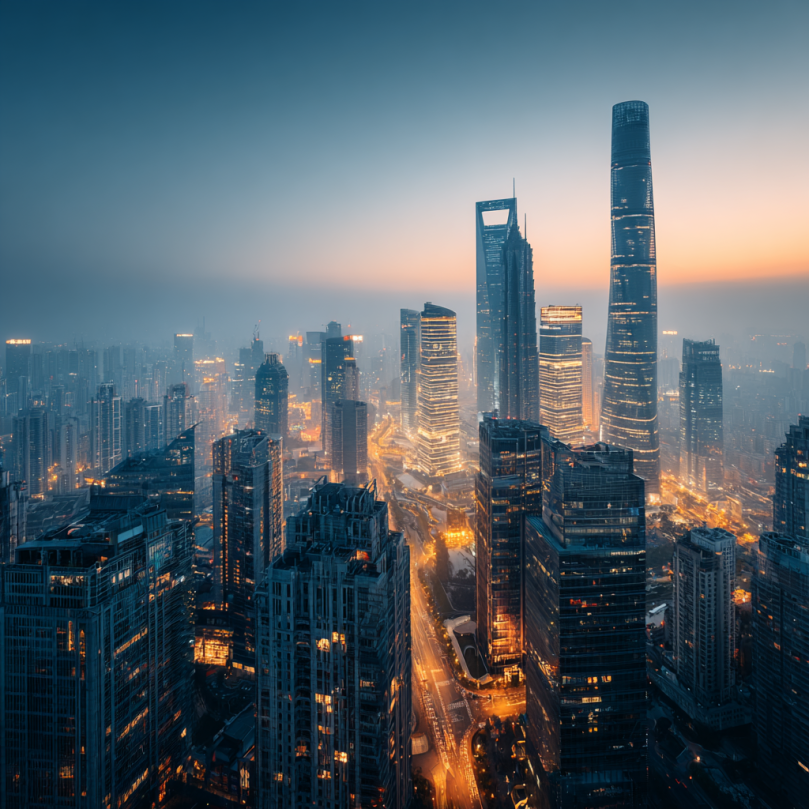

As the world’s population continues to urbanize, skyscrapers have become a staple of modern cityscapes, providing a solution to the increasing demand for space. However, with great heights come great challenges, and one of the most critical components of these towering structures is the elevator system. Without a reliable and efficient elevator system, skyscrapers would be impractical and even unsafe for occupants. As you read on, you will discover the importance of elevator systems in skyscrapers and how they have revolutionized the way we live and work in these towering buildings.
What is an Elevator System?
An elevator system is a complex network of machines, cables, and control systems that work together to transport people and goods between floors in a building. It is a vital component of any high-rise structure, providing a safe and efficient means of vertical transportation. Elevator systems can be categorized into different types, including traction elevators, hydraulic elevators, and machine-room-less elevators, each with its own unique characteristics and applications. Understanding the basics of elevator systems is essential for appreciating their critical role in skyscrapers.
What you will discover
- The history of elevator systems — a brief overview of the evolution of elevator technology
- Types of elevator systems — an explanation of the different types of elevator systems and their applications
- Elevator system design and installation — the key considerations and best practices for designing and installing elevator systems
- Elevator system maintenance and repair — the importance of regular maintenance and repair for ensuring elevator system safety and efficiency
- Elevator system safety features — an overview of the safety features and regulations that govern elevator system design and operation
- Future developments in elevator technology — a look at the latest innovations and trends in elevator system design and technology
Quick comparison
| Criterion | Hydraulic Elevators | Traction Elevators | Machine-Room-Less Elevators |
|---|---|---|---|
| Speed | Up to 46 m/s | Up to 46 m/s | Up to 46 m/s |
| Capacity | Up to 5,000 kg | Up to 5,000 kg | Up to 2,500 kg |
| Energy Efficiency | Low | Medium | High |
| Maintenance Requirements | High | Medium | Low |
| Cost | Low | Medium | High |
For more information on elevator systems and their applications, you can refer to our comprehensive guide to elevator systems. Additionally, you can visit the Wikipedia page on elevators for a detailed overview of the history and technology behind elevator systems.
Complete guide to Elevator Systems in Skyscrapers
When it comes to skyscrapers, elevator systems are a crucial component that ensures the smooth operation of the building. Without a reliable and efficient elevator system, occupants would face significant challenges in accessing different floors, leading to decreased productivity and increased frustration. In this section, we will delve into the importance of elevator systems in skyscrapers and provide a comprehensive guide on how to choose the right system for your building.
Design and Planning
Capacity and Speed
Determining the capacity and speed of the elevator system is essential to ensure that it can handle the building’s occupancy requirements. This involves calculating the number of passengers that need to be transported during peak hours and selecting an elevator system that can accommodate this demand. Additionally, the speed of the elevator must be sufficient to minimize wait times and reduce congestion in the building.
Space and Layout
The space and layout of the elevator system must be carefully planned to ensure that it integrates seamlessly with the building’s architecture. This includes considering the location of the elevator shafts, the size of the elevator cars, and the layout of the lobby and other common areas.
Technical Considerations
Energy Efficiency
Modern elevator systems are designed to be energy-efficient, with features such as regenerative braking and advanced control systems. These systems can significantly reduce the building’s energy consumption and minimize its carbon footprint.
Installation and Maintenance
The installation and maintenance of the elevator system are critical to ensuring its reliability and longevity. This includes regular inspections, maintenance, and repairs to prevent downtime and minimize the risk of accidents.
Practical steps to follow
- Step 1: Conduct a thorough analysis of the building’s occupancy requirements to determine the necessary capacity and speed of the elevator system.
- Step 2: Consult with architects and engineers to design a space and layout that integrates the elevator system with the building’s architecture.
- Step 3: Research and select a reputable elevator manufacturer that offers energy-efficient and reliable systems.
- Step 4: Develop a maintenance schedule to ensure regular inspections and repairs are performed to prevent downtime and minimize the risk of accidents.
- Step 5: Consider implementing advanced technologies such as destination control and smart elevators to optimize the system’s performance and efficiency.
- Step 6: Monitor and evaluate the elevator system’s performance regularly to identify areas for improvement and implement necessary upgrades or modifications.
Key data and statistics
| Indicator | Value / Result | Interpretation |
|---|---|---|
| Average wait time per elevator trip | 20-30 seconds | This wait time is considered acceptable in most commercial buildings. |
| Energy consumption per elevator system | 10-20 kW | This energy consumption can be reduced by implementing energy-efficient features such as regenerative braking. |
| Annual maintenance cost per elevator system | $5,000-$10,000 | This cost can be minimized by implementing a regular maintenance schedule and using reliable equipment. |
| Average lifespan of an elevator system | 20-30 years | This lifespan can be extended by performing regular maintenance and repairs. |
| Number of elevators required per 10,000 square feet of building space | 2-3 elevators | This number can vary depending on the building’s occupancy requirements and layout. |
For more information on elevator systems, you can visit our elevator systems page or consult with a reputable elevator manufacturer such as Otis Elevator Company. Additionally, you can refer to the American Society of Mechanical Engineers (ASME) website for industry standards and best practices. To learn more about the benefits of energy-efficient elevator systems, you can also visit the energy-efficient elevators page or check out the U.S. Department of Energy website for more information on energy-efficient technologies.
Practical tips
Tip 1: Regular Maintenance
How to put it into practice
Regular maintenance is crucial for the smooth operation of elevator systems in skyscrapers. Vous should schedule periodic inspections and maintenance checks to ensure that all components are functioning properly. This includes checking the elevator’s mechanical and electrical systems, as well as the safety features such as brakes and emergency stop buttons.
- Check the elevator’s mechanical components, such as cables and pulleys, for wear and tear
- Inspect the electrical systems, including the control panels and wiring
- Test the safety features, such as brakes and emergency stop buttons
- Perform routine cleaning and lubrication of moving parts
Tip 2: Energy Efficiency
Optimizing Energy Consumption
Elevator systems can account for a significant portion of a skyscraper’s energy consumption. Vous can optimize energy efficiency by installing energy-efficient elevators, such as those with regenerative braking systems, or by implementing smart elevator systems that can adjust their operation based on building usage patterns.
Tip 3: Safety Features
Ensuring the safety of elevator passengers is paramount. Vous should consider installing advanced safety features, such as biometric authentication, video surveillance, and emergency communication systems. These features can help prevent accidents and provide assistance in case of an emergency.
Pros and cons
| ✅ Pros | ⚠️ Cons |
|---|---|
| Increased efficiency and productivity | High initial installation costs |
| Improved safety features | Potential for mechanical failures and downtime |
| Enhanced user experience | Energy consumption and environmental impact |
| Reduced maintenance costs with modern systems | Dependence on technology and potential for cyber threats |
| Compliance with building codes and regulations | Space requirements for elevator shafts and machinery |
Useful resources
Frequently Asked Questions (FAQ)
What is the importance of elevator systems in skyscrapers?
Elevator systems are critical in skyscrapers as they provide efficient and safe transportation for occupants, allowing for the effective use of space and reducing congestion in the building. The main keyword, elevator systems, plays a vital role in the overall design and functionality of skyscrapers. By incorporating advanced elevator systems, architects and engineers can create more sustainable and livable high-rise buildings.
How do elevator systems impact the design of skyscrapers?
Elevator systems significantly influence the design of skyscrapers, as they require a substantial amount of space and infrastructure. The placement and layout of elevator shafts, machine rooms, and control systems must be carefully planned to minimize the impact on the building’s overall aesthetic and functionality. By considering elevator systems in the design phase, architects can create more efficient and functional skyscrapers.
What are the safety features of modern elevator systems in skyscrapers?
Modern elevator systems in skyscrapers are equipped with advanced safety features, including backup power systems, emergency brakes, and fire-resistant materials. These features ensure the safe transportation of occupants in the event of an emergency or power outage. Additionally, regular maintenance and inspections are crucial to guarantee the reliability and safety of elevator systems.
How do elevator systems contribute to energy efficiency in skyscrapers?
Elevator systems can significantly contribute to energy efficiency in skyscrapers by incorporating regenerative braking, energy-recovery systems, and advanced control algorithms. These technologies help reduce energy consumption and minimize the building’s carbon footprint. By optimizing elevator system performance, architects and engineers can create more sustainable and environmentally friendly skyscrapers.
What is the role of elevator systems in emergency situations, such as fires or earthquakes?
In emergency situations, such as fires or earthquakes, elevator systems play a critical role in ensuring occupant safety. Modern elevator systems are designed to respond to emergency situations, including automatic shutdown, emergency lighting, and communication systems. These features help emergency responders and occupants navigate the building safely and efficiently.
How often should elevator systems in skyscrapers be maintained and inspected?
Elevator systems in skyscrapers should be regularly maintained and inspected to ensure optimal performance, safety, and reliability. The frequency of maintenance and inspections depends on various factors, including usage, age, and manufacturer recommendations. Regular maintenance can help prevent malfunctions, reduce downtime, and extend the lifespan of elevator systems, ultimately providing a better experience for occupants.