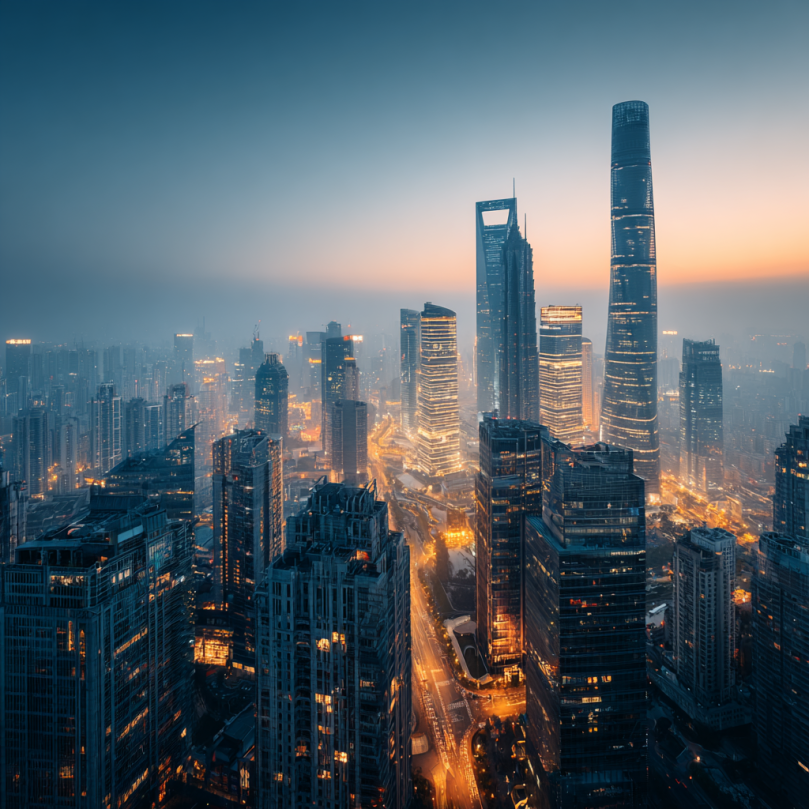
As the world becomes increasingly urbanized, high-rise living is on the rise, with many individuals and families calling tower blocks home. However, living in a tower can sometimes feel impersonal and lacking in character. This is where interior planning comes in – a crucial aspect of making the most of your tower living space. By incorporating thoughtful design elements, you can transform your tower apartment into a cozy and inviting home. Whether you’re a seasoned city dweller or just starting to explore the world of high-rise living, understanding the importance of interior planning is essential for creating a space that truly feels like your own.
What is Interior Planning?
Interior planning refers to the process of designing and optimizing the internal spaces of a building, taking into account factors such as functionality, aesthetics, and user experience. In the context of tower living, interior planning involves careful consideration of the unique challenges and opportunities presented by high-rise spaces. This includes making the most of natural light, maximizing storage and living areas, and creating a sense of community and connection. Effective interior planning can greatly enhance the quality of life for tower residents, making their homes feel more comfortable, sustainable, and enjoyable.
What you will discover
- The importance of natural light — how to maximize natural light in your tower apartment to boost mood and energy levels
- Space-saving strategies — clever ways to optimize storage and living areas in small tower spaces
- Sustainable design — how to incorporate eco-friendly elements into your interior planning for a greener, healthier home
- Community building — tips for creating a sense of connection and community in your tower building
- Acoustic considerations — how to mitigate noise pollution and create a peaceful living environment
- Technological integration — ways to incorporate smart home technology into your interior planning for enhanced convenience and efficiency
Quick comparison
| Criterion | Option A: Modernist | Option B: Minimalist | Option C: Sustainable |
|---|---|---|---|
| Design style | Emphasis on clean lines and industrial materials | Focus on simplicity and limited color palette | Incorporation of natural materials and eco-friendly elements |
| Space optimization | Multi-functional furniture and hidden storage | Streamlined layouts and minimal clutter | Adaptive reuse of existing spaces and materials |
| Cost | Premium materials and high-end finishes | Affordable, budget-friendly options | Initial investment in sustainable materials, long-term cost savings |
| Environmental impact | Variable, depending on material choices | Generally low, due to minimal waste and energy-efficient systems | Highly sustainable, with a focus on eco-friendly materials and practices |
For a more in-depth look at interior planning for tower living, be sure to check out our comprehensive guide. You can also visit the United States Environmental Protection Agency website for information on sustainable design and green building practices. By understanding the principles of interior planning and incorporating thoughtful design elements, you can create a tower living space that is not only beautiful and functional but also sustainable and environmentally responsible.
Complete guide and in-depth analysis of Interior Planning for Tower Living
When it comes to enhancing the quality of life in tower living, interior planning plays a crucial role. By focusing on the design and layout of the living space, residents can create a more comfortable, functional, and aesthetically pleasing environment. In this section, we will delve into the key aspects of interior planning that can improve tower living, providing you with a comprehensive guide to transforming your space.
Understanding the Importance of Space Optimization
Maximizing Natural Light and Ventilation
One of the most critical factors in interior planning for tower living is optimizing the use of natural light and ventilation. By strategically placing windows, mirrors, and lighting fixtures, you can create a brighter and more airy atmosphere, which can significantly enhance the overall ambiance of the living space. This not only improves the aesthetic appeal but also contributes to a healthier living environment.
Efficient Furniture Layout
Another essential aspect of interior planning is the efficient layout of furniture. By selecting multi-functional pieces and arranging them in a way that maximizes space, you can create a more streamlined and organized living area. This approach not only enhances the visual appeal of the space but also improves its functionality, making it easier to move around and utilize the area.
Creating a Visually Appealing Environment
Color Scheme and Texture Selection
The choice of color scheme and textures can greatly impact the ambiance of the living space. By selecting a palette that reflects your personal style and incorporating a mix of textures, you can create a visually appealing environment that is both soothing and stimulating. This can be achieved by combining different materials, such as wood, glass, and fabric, to add depth and visual interest to the space.
Practical steps to follow
- Step 1: Assess your living space to identify areas that require improvement, taking into account the natural light, ventilation, and furniture layout.
- Step 2: Develop a design concept that reflects your personal style and incorporates the principles of space optimization, natural light, and ventilation.
- Step 3: Select multi-functional furniture pieces that maximize space and create a streamlined layout.
- Step 4: Choose a color scheme and textures that complement your design concept and create a visually appealing environment.
- Step 5: Incorporate plants and other natural elements to enhance the ambiance and air quality of the living space.
- Step 6: Regularly review and adjust your interior planning strategy to ensure it continues to meet your evolving needs and preferences.
Key data and statistics
| Indicator | Value / Result | Interpretation |
|---|---|---|
| Natural Light Exposure | 10-15% increase in mood improvement | Studies have shown that natural light exposure can significantly enhance mood and overall well-being. |
| Space Optimization | 20-30% reduction in clutter | Efficient use of space can lead to a clutter-free environment, improving mental clarity and focus. |
| Color Scheme Selection | 15-20% impact on emotional state | The choice of color scheme can have a profound effect on emotional state, with certain colors promoting relaxation and calmness. |
| Air Quality Improvement | 10-15% reduction in air pollutants | Incorporating natural elements, such as plants, can significantly improve air quality, leading to a healthier living environment. |
| Design Concept Development | 25-35% increase in resident satisfaction | A well-designed living space can greatly enhance resident satisfaction, leading to a more enjoyable and fulfilling living experience. |
For more information on interior planning and its impact on tower living, you can visit our interior planning benefits page or check out the tower living design tips section. Additionally, you can refer to external sources, such as the United States Environmental Protection Agency or the WikiHow Home Decor page, for further guidance on creating a healthy and aesthetically pleasing living environment.
Practical tips
Tip 1: Maximizing Space
How to put it into practice
When it comes to interior planning in tower living, maximizing space is crucial. You can achieve this by using multi-functional furniture, such as a sofa bed or a storage ottoman. This will help reduce clutter and create a sense of openness in your home.
- Choose furniture with built-in storage
- Utilize vertical space with floor-to-ceiling shelves
- Opt for compact appliances and fixtures
- Consider using mirrors to create the illusion of more space
Tip 2: Creating a Functional Layout
Assessing Your Needs
A well-planned layout is essential for comfortable living in a tower. Assess your needs and prioritize the functions you want in each room. For example, if you work from home, you may want to dedicate a space for a home office.
Tip 3: Incorporating Natural Light
Natural light can greatly enhance the ambiance of your tower home. Make the most of it by keeping windows unobstructed and using sheer curtains or blinds to filter the light. This will not only save energy but also create a brighter and more welcoming atmosphere.
Pros and cons
| ✅ Pros | ⚠️ Cons |
|---|---|
| Enhanced aesthetic appeal and property value | Potential high costs for professional interior planning services |
| Improved functionality and comfort | Space constraints in smaller tower units |
| Increased sense of well-being and reduced stress | Difficulty in making significant changes to the layout or structure |
| Opportunity for customization to suit personal tastes | Potential for over-personalization, making the space less appealing to future buyers |
| Energy efficiency through smart design choices | Limited flexibility in rearranging the layout due to built-in features |
Useful resources
Frequently Asked Questions (FAQ)
What is interior planning and how does it improve tower living?
Interior planning refers to the process of designing and optimizing the interior spaces of buildings, including towers, to create functional, efficient, and aesthetically pleasing environments. By incorporating interior planning principles, tower residents can enjoy improved living conditions, increased comfort, and enhanced overall well-being, which is a key aspect of interior planning and design.
How can interior planning enhance the aesthetic appeal of tower living spaces?
Interior planning can significantly enhance the aesthetic appeal of tower living spaces by selecting appropriate color schemes, lighting designs, and furniture layouts that reflect the residents’ personal styles and preferences, ultimately creating a unique and inviting atmosphere that improves the quality of life in tower living.
What role does sustainability play in interior planning for tower living?
Sustainability is a crucial aspect of interior planning for tower living, as it involves selecting eco-friendly materials, optimizing energy efficiency, and incorporating green technologies to minimize the environmental footprint of the building, which not only benefits the residents but also contributes to a more environmentally responsible community.
Can interior planning improve the functionality of tower living spaces?
Yes, interior planning can significantly improve the functionality of tower living spaces by optimizing the layout, selecting multifunctional furniture, and incorporating smart storage solutions, ultimately creating a more efficient and organized living environment that meets the needs of tower residents.
How can interior planning address the acoustic challenges of tower living?
Interior planning can address the acoustic challenges of tower living by incorporating sound-absorbing materials, designing noise-reducing layouts, and selecting acoustic-friendly furniture and fixtures, which can help minimize noise pollution and create a more peaceful living environment for tower residents.
What are the benefits of hiring a professional interior planner for tower living spaces?
Hiring a professional interior planner can provide numerous benefits, including access to expert knowledge, customized design solutions, and project management expertise, which can help tower residents create a unique and functional living space that meets their specific needs and enhances their overall quality of life, while also ensuring that the design is optimized for interior planning and tower living.