As the world’s population continues to urbanize, the need for efficient and sustainable living spaces has become a pressing concern. Mixed-use skyscrapers have emerged as a solution to this problem, offering a unique blend of residential, commercial, and recreational spaces. By integrating multiple functions into a single building, these structures have the potential to transform urban life as we know it. As you read on, you will discover the benefits and implications of mixed-use skyscrapers and how they are redefining the urban landscape.
What is a Mixed-Use Skyscraper?
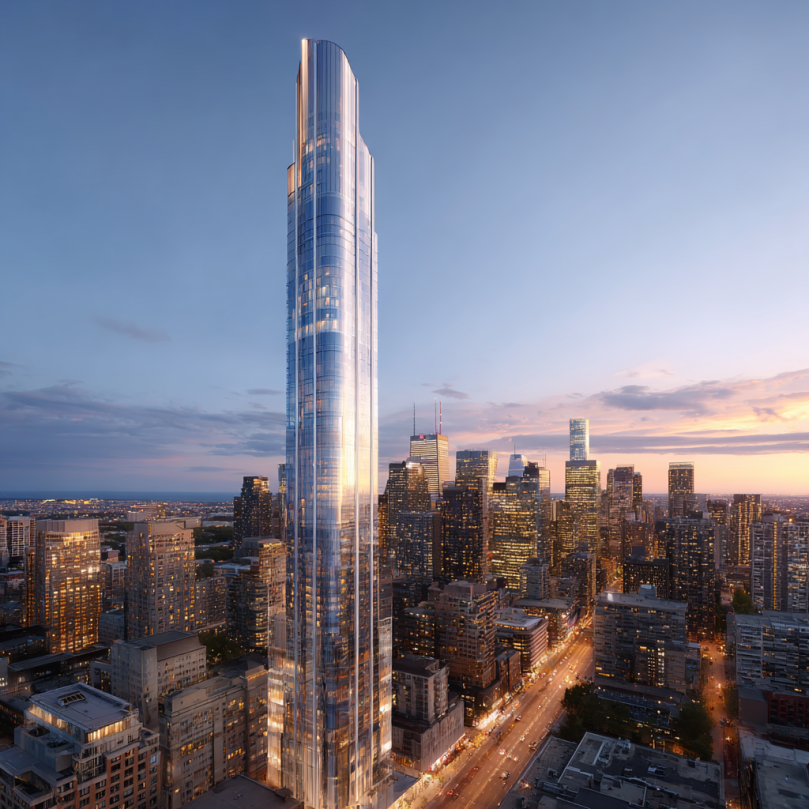
A mixed-use skyscraper is a high-rise building that combines multiple functions, such as residential, office, retail, and recreational spaces, into a single structure. This approach to urban development aims to reduce the need for lengthy commutes, promote sustainability, and foster a sense of community among residents. By incorporating a range of amenities and services, mixed-use skyscrapers can create vibrant and dynamic urban environments. The concept of mixed-use development has been around for decades, but the recent surge in skyscraper construction has brought new attention to this innovative approach to urban planning.
What you will discover
- The benefits of mixed-use skyscrapers — including reduced traffic congestion and increased property values
- The role of sustainable design — in reducing the environmental impact of mixed-use skyscrapers
- The impact on urban communities — and how mixed-use skyscrapers can foster a sense of community among residents
- The economic benefits — of mixed-use development, including job creation and increased tax revenue
- The challenges of implementation — and how cities can overcome the obstacles to mixed-use skyscraper development
- Real-world examples — of successful mixed-use skyscraper projects and their outcomes
Quick comparison
| Criterion | Traditional Skyscrapers | Mixed-Use Skyscrapers | Green Buildings |
|---|---|---|---|
| Energy efficiency | Low | Medium | High |
| Water consumption | High | Medium | Low |
| Carbon footprint | High | Medium | Low |
| Cost | High | Medium | High |
| Community engagement | Low | High | Medium |
For a more detailed analysis of mixed-use skyscrapers, please refer to our comprehensive guide. You can also visit the Wikipedia page on mixed-use development for more information on the history and benefits of this approach to urban planning.
Complete guide to the Transformation of Urban Life through Mixed-Use Skyscrapers
Mixed-use skyscrapers have become a staple in modern urban planning, offering a unique blend of residential, commercial, and recreational spaces. As you consider the impact of these structures on urban life, it’s essential to delve into the various aspects that make them so transformative. From their design and functionality to their economic and environmental implications, mixed-use skyscrapers are redefining the way we live, work, and interact in cities.
Design and Architecture
Incorporating Green Spaces
The incorporation of green spaces, such as rooftop gardens and vertical walls, is a crucial aspect of mixed-use skyscraper design. These features not only provide a serene escape from the hustle and bustle of city life but also contribute to improved air quality and reduced urban heat island effects. By incorporating such design elements, architects can create more sustainable and livable environments within these towering structures.
Energy Efficiency
Another critical consideration in the design of mixed-use skyscrapers is energy efficiency. By leveraging advanced technologies, such as solar panels, wind turbines, and green roofs, these buildings can significantly reduce their carbon footprint and reliance on non-renewable energy sources. This not only benefits the environment but also helps reduce operational costs for occupants and owners.
Economic and Social Impacts
Job Creation and Local Economy
Mixed-use skyscrapers can have a profound impact on local economies, creating a multitude of job opportunities in various sectors, from construction and maintenance to retail and hospitality. By providing a hub for commercial activity, these structures can stimulate economic growth, increase tax revenue, and enhance the overall quality of life for urban residents.
Urban Planning and Development
As cities continue to grow and evolve, mixed-use skyscrapers are playing an increasingly important role in urban planning and development. By providing a density of population and activity, these structures can help reduce urban sprawl, promote more efficient use of land, and foster a sense of community among residents.
Practical steps to follow
- Step 1: Conduct a thorough analysis of the local market and zoning regulations to determine the feasibility of a mixed-use skyscraper project.
- Step 2: Engage with local stakeholders, including residents, business owners, and community groups, to ensure the project aligns with their needs and expectations.
- Step 3: Develop a comprehensive design plan that incorporates green spaces, energy-efficient systems, and innovative architectural features.
- Step 4: Secure funding and partnerships with investors, developers, and government agencies to support the project’s construction and operation.
- Step 5: Implement a robust management and maintenance strategy to ensure the long-term sustainability and success of the mixed-use skyscraper.
- Step 6: Continuously monitor and evaluate the project’s impact on the local community and environment, making adjustments as necessary to optimize its benefits.
Key data and statistics
| Indicator | Value / Result | Interpretation |
|---|---|---|
| Average energy savings per mixed-use skyscraper | 20-30% | Significant reduction in energy consumption and greenhouse gas emissions |
| Job creation potential per mixed-use skyscraper | 500-1000 jobs | Substantial economic benefits and stimulus for local economies |
| Urban population growth rate | 2-3% per annum | Rapid urbanization and increasing demand for mixed-use developments |
| Carbon footprint reduction per mixed-use skyscraper | 10-20 tons per year | Notable decrease in environmental impact and contribution to climate change mitigation |
| Return on investment (ROI) for mixed-use skyscrapers | 8-12% per annum | Attractive financial returns and investment opportunities for developers and investors |
For more information on mixed-use skyscrapers and their impact on urban life, visit our urban planning page or consult the United Nations Human Settlements Programme. Additionally, you can explore the sustainable architecture section of our website or refer to the United States Environmental Protection Agency for further insights on green building practices and environmental sustainability.
Practical tips
Tip 1: Designing Mixed-Use Skyscrapers
How to put it into practice
When designing mixed-use skyscrapers, it is essential to consider the needs of various users, including residents, office workers, and shoppers. This can be achieved by incorporating a mix of residential, commercial, and recreational spaces, such as apartments, offices, shops, and restaurants. By doing so, you can create a vibrant and dynamic community that enhances the quality of life for its inhabitants.
- Conduct thorough market research to understand the demand for different types of spaces
- Collaborate with architects, engineers, and urban planners to design a functional and sustainable building
- Incorporate green spaces and amenities, such as parks, gyms, and community centers
- Ensure that the building is accessible and convenient for all users, with features like public transportation links and pedestrian-friendly walkways
Tip 2: Encouraging Community Engagement
Building a Sense of Community
To foster a sense of community in mixed-use skyscrapers, it is crucial to create opportunities for social interaction and engagement among residents, workers, and visitors. This can be achieved by hosting events, such as concerts, festivals, and workshops, and providing shared spaces, like community gardens and coworking areas.
Tip 3: Managing Density and Traffic
As mixed-use skyscrapers can accommodate a large number of people, it is essential to manage density and traffic effectively. This can be done by implementing smart traffic management systems, optimizing parking facilities, and promoting alternative modes of transportation, such as walking, cycling, and public transportation.
Pros and cons
| ✅ Pros | ⚠️ Cons |
|---|---|
| Increased density and walkability, reducing the need for personal vehicles | Higher construction and maintenance costs compared to single-use buildings |
| Mixed-use skyscrapers can revitalize urban areas and boost local economies | Potential for overcrowding and strain on local infrastructure |
| Improved quality of life for residents, with access to amenities and services | Conflict between different user groups, such as noise complaints from residents |
| Enhanced sustainability, with reduced energy consumption and waste generation | Complexity in design, construction, and management, requiring specialized expertise |
| Increased property values and appeal to businesses and investors | Potential for gentrification and displacement of existing communities |
Useful resources
Frequently Asked Questions (FAQ)
What are mixed-use skyscrapers and how do they impact urban life?
Mixed-use skyscrapers are high-rise buildings that combine residential, commercial, and recreational spaces, transforming urban life by providing a unique blend of living, working, and entertainment options. This concept has gained popularity in recent years as it promotes sustainability, reduces commuting time, and fosters community engagement. The integration of mixed-use skyscrapers in urban planning has become a key aspect of modern city development, as seen in cities like New York and Tokyo.
How do mixed-use skyscrapers contribute to sustainable urban development?
Mixed-use skyscrapers play a significant role in sustainable urban development by reducing the need for lengthy commutes, promoting energy-efficient design, and incorporating green spaces. By combining different functions in a single building, mixed-use skyscrapers minimize the urban footprint, reduce energy consumption, and provide a healthier environment for residents. This approach has been adopted by various cities worldwide, including London and Sydney, as a means to create more sustainable and livable urban environments.
What are the benefits of living in a mixed-use skyscraper?
Living in a mixed-use skyscraper offers numerous benefits, including convenient access to amenities, reduced commuting time, and a sense of community. Residents can enjoy a range of services, from retail and dining to entertainment and fitness, all within the same building. Additionally, mixed-use skyscrapers often feature advanced security systems, concierge services, and luxurious amenities, making them an attractive option for urban dwellers.
How do mixed-use skyscrapers affect local businesses and economies?
Mixed-use skyscrapers can have a positive impact on local businesses and economies by providing a steady stream of customers, creating job opportunities, and stimulating local investment. By incorporating retail and commercial spaces, mixed-use skyscrapers can help revitalize urban areas, attract new businesses, and contribute to the local tax base. This, in turn, can lead to increased economic growth, improved infrastructure, and a more vibrant community.
What are the challenges of designing and building mixed-use skyscrapers?
Designing and building mixed-use skyscrapers poses several challenges, including ensuring structural integrity, managing complex systems, and meeting the needs of diverse occupants. Architects and engineers must balance the demands of different users, from residential to commercial, while also addressing issues such as acoustics, ventilation, and accessibility. Furthermore, mixed-use skyscrapers often require significant investment, careful planning, and collaboration among stakeholders to ensure successful completion.
Can mixed-use skyscrapers be adapted to different urban contexts and cultures?
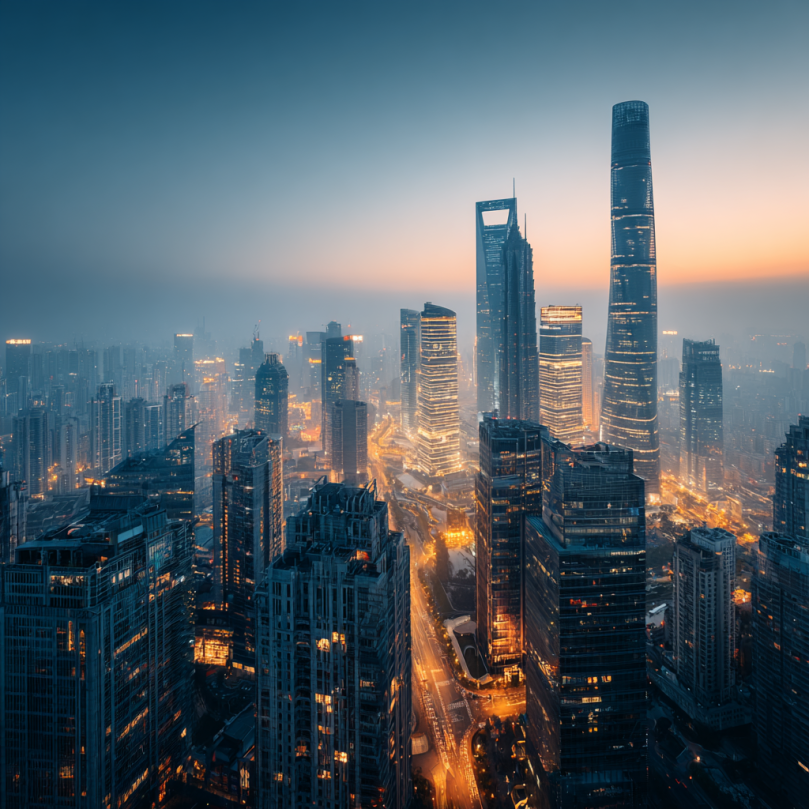
Yes, mixed-use skyscrapers can be adapted to different urban contexts and cultures by incorporating local materials, responding to climate and environmental conditions, and reflecting the unique character of the surrounding neighborhood. By engaging with local communities and incorporating cultural sensitivities, developers and architects can create mixed-use skyscrapers that not only meet the needs of residents and businesses but also contribute to the urban fabric and sense of place. This approach has been successfully applied in cities such as Dubai and Shanghai, where mixed-use skyscrapers have become an integral part of the urban landscape.